 Aspects of Venus
Venus's aspects show how affection, taste and the need for harmony intertwine with the rest of the chart: with identity, emotions, the energy of Mars, the trials of Saturn. They tell what makes love life easy or complex. With the Sun and Mercury, which stay close to it, it can form only a few aspects.
Aspects are the angles the planets form with one another on the wheel. They show how two energies interact: harmoniously (trine, sextile), in creative tension (square, opposition) or by merging (conjunction). Alongside the five major aspects, the minor aspects describe subtler nuances. A “hard” aspect is not a sentence: it points to a knot which, once faced, often becomes a resource.
Here you will find the meaning of each placement on its own. To see which ones apply to you, calculate your birth chart: the interpretations that concern you appear below the wheel.
Calculate your birth chart Sun
 Sun Conjunction Venus
Sun conjunct Venus fuses identity and the capacity to love into a single expression: pleasantness, aesthetic taste and affection become a natural part of how one asserts oneself in the world.
The Sun-Venus conjunction fuses personal identity with the need for beauty, harmony and affectionate connection. The person possesses a natural charm, a cordial disposition and a strong desire to please and to live in peaceful surroundings. There is a marked artistic sensitivity, a sure aesthetic taste and an inclination towards diplomacy and social relationships. When the aspect is very tight (under one degree, or Cazimi), the expression of love and of art becomes a direct channel for the individual's fundamental will. If the aspect suffers combustion (between 2 and 8 degrees), the search for approval and narcissism can take over, leading the person to identify their own personal worth solely through the affectionate confirmation of others or through a pervasive wish to please. The main challenge consists in learning to assert one's own solar will even when this carries the risk of displeasing others or of breaking the harmony for a while.
 Sun Semisextile Venus
Sun semisextile Venus creates a small adjustment between identity and the capacity to appreciate pleasure: a slight tension between self-assertion and the search for harmony.
The semisextile occurs when the Sun and Venus lie in two adjacent signs (for example the Sun in Aries and Venus in Taurus or in Pisces). This minor but significant aspect interrupts the immediate identification between the solar ego and the desires of Venus, providing a slight separation of perspective. The individual appreciates beauty and relationship, yet keeps a clear distinction between what their deepest identity is and what they desire in affection or in aesthetics. This configuration encourages a constant regulation of personal taste and values, helping the individual to develop a marked adaptability in social relationships. Although it can create subtle and constant readjustments between self-assertion and conciliation with the partner, it favours a pragmatic maturing of affection, keeping the person from annulling themselves for love or, on the contrary, from selfishly imposing their own needs on the partner.
Sun semisquare Venus, at the limit of their astronomical proximity, generates low-grade friction between the need to assert oneself and the need to please, with small recurring frictions.
The semisquare is the widest angular separation possible between the Sun and Venus (45 degrees, with an orb that reaches the astronomical maximum of 48 degrees). It introduces an underground friction between the will of the self and the desire for pleasure or for staying in harmony. The individual may experience an affective restlessness: the feeling that pursuing their own ambitions calls for sacrificing the serenity of the couple, or that the search for easy pleasure and comfort holds personal fulfilment back. It often turns into a slight fear of not being appreciated enough, or into a tendency to idleness and hedonism used to compensate for personal frustrations. From an evolutionary point of view, however, this dynamic tension spurs the individual not to settle into superficial relationships and to work actively at building a true aesthetic and emotional harmony, refining the sense of their own moral and creative values by overcoming the continual minor misunderstandings.
 Moon
Moon Conjunction Venus
Moon conjunct Venus fuses emotional need and the capacity to love into a single sweetness: affection and pleasure are closely bound, with great relational warmth.
The Moon-Venus conjunction is the quintessence of sweetness, of grace and of the search for harmony. Whoever has this aspect joins the maternal, protective instinct of the Moon to the venusian capacity to love, to charm and to appreciate beauty. A deep need shows itself to be surrounded by beauty, serenity and stable, reassuring affective relationships. The personality is instinctively empathic, sociable and endowed with a magnetic charm which draws respect and affection. The expression of feeling comes about fluidly, warmly and without roughness. The home and intimate surroundings become true aesthetic refuges. Among the challenges, the main risk lies in a certain emotional idleness, or in sweetening reality so as to avoid the conflicts that are necessary. There may also be a marked dependence on the affective confirmation of others in order to feel safe. As it matures, this aspect gives an extraordinary emotional intelligence, a marked artistic leaning and the capacity to create an atmosphere of genuine peace wherever they go.
Moon Semisextile Venus
Moon semisextile Venus creates a small adjustment between emotional need and the search for pleasure: a slight tension between affective security and aesthetic desire.
The semisextile creates a discreet but constant bridge between the Moon's need for intimacy and Venus's desire for sharing. Being placed between two consecutive signs, it calls for continual micro-adjustment between what makes them feel safe at a visceral level and what they consider attractive or pleasant at a relational level. The person develops a marked sensitivity towards the subtle details of affective ties, trying to satisfy both their own vulnerable side and the need to please. In spite of its discreet nature, this aspect encourages a subtle sense of the aesthetic and of comfort, leading the subject to tend to the small daily attentions towards the people they love. The challenge consists in making these two fields cooperate without falling into slight inconsistencies, such as desiring affection yet drawing back at the moment of expressing it. Cultivating awareness of their own emotional automatisms turns this aspect into a valuable resource for keeping a serene, harmonious and adaptable affective balance in everyday life.
Moon semisquare Venus generates low-grade friction between emotion and taste: small recurring dissatisfactions when affection and harmony do not quite coincide.
The semisquare (45 degrees) generates a creeping disquiet between the primary needs of the Moon and the affective desires of Venus. Even though it does not break out into open conflict, this inner friction creates the feeling that their own emotional needs never quite coincide with what the partner or the social environment offers. The person may experience moments of affective dissatisfaction or the tendency to feel little appreciated, at times reacting with capricious attitudes or defensive withdrawals. There is often a contrast between the desire for intimate protection and the drive to please or to indulge in material pleasures, which leads to small excesses to make up for emotional voids. This tension pushes the individual not to be content with a harmony of facade, however. Learning to decipher the origin of these small frustrations makes it possible to clarify affective priorities, turning the restlessness into an incentive to build more genuine relationships and to develop a sense of self-esteem not conditioned by outward judgement.
 Moon Sextile Venus
Moon sextile Venus offers a natural collaboration between emotional need and the capacity to love: the smallest initiative is enough to live pleasant and reassuring relationships.
The sextile is an extremely pleasant combination which favours spontaneity, kindness and the aesthetic sense. The communication of feeling comes about naturally, allowing the person to establish ties founded on trust and mutual esteem. There is an excellent integration between emotional intuition and the capacity to create harmonious relationships. The subject possesses an innate talent for diplomacy, for mediation and for the creation of welcoming, stylistically tended surroundings. Affective life flows without particular jolts, supported by a sincere benevolence towards those near them and by a strong appreciation of the arts, of nature and of the refined pleasures of life. Being a dynamic harmonious aspect, it offers great opportunities in the field of the social and artistic professions or those tied to hospitality. The one element to watch is the tendency to comfort: the absence of strong tensions can lead them to avoid complex situations which would call for a harder but constructive confrontation.
Moon quintile Venus gives a distinctive talent for creating emotional harmony in an original way, with a personal aesthetic sensitivity in how one cares for others.
The quintile (72 degrees) is an aspect of creative grace and expressive elegance which fuses the emotional inspiration of the Moon with the sense of beauty of Venus. Whoever has it expresses their own affective dimension through highly personal forms of art, such as painting, music, design or poetry. There is an almost magical ability to turn inner experience into aesthetic, harmonious manifestations which touch others deeply. In the relational field this contact gives a unique way of loving, stylised and free of vulgarity, marked by a great intuition for what makes the partner happy. The person knows how to devise original romantic atmospheres and possesses a keen sense of measure and of form. It is the signature of those who find in visual and affective harmony a true instrument of inner healing and regeneration. If it is cultivated with discipline, the quintile turns sensitivity into pure artistic mastery and into the capacity to cultivate relationships of deep human and aesthetic value.
 Moon Square Venus
Moon square Venus creates dynamic tension between emotional need and the desire for pleasure: affective insecurity, or dependence on being liked in order to feel safe.
The square represents a dynamic tension between the sphere of emotional security (the Moon) and that of relational value and pleasure (Venus). The person often finds themselves living an inner dilemma: what satisfies the need for intimacy seems to hinder the search for pleasure or for social gratification. This can turn into affective insecurity, swings of mood, fear of rejection or a tendency to draw relationships in which they feel misunderstood in their deepest needs. At times a leaning towards material or food compensation shows itself in moments of emotional stress. The square is an exceptional catalyst of maturing, however: it forces the individual to define clearly what they truly want from a tie and to love themselves before looking for confirmation outside. By getting past the swing between the need for protection and the desire to charm, an immense capacity for psychological understanding develops, and an affective life that is mature, aware and free of illusion.
 Moon Trine Venus
Moon trine Venus lets emotion and affection flow naturally: inner security and the capacity to love support each other, with spontaneous relational warmth.
The trine represents the perfect accord between the emotional soul and the expression of love. It is one of the most fortunate aspects for inner serenity and personal relationships: it gives a contagious sweetness, a strong empathy and a spontaneous popularity. Whoever has this configuration gives off a peace-making warmth which reassures the people around them, making both friendships and romantic unions easy. There is a great aesthetic talent, a marked decorative taste and a marked artistic sensitivity. Domestic and family life is lived as a source of deep joy and beauty. Affective integrity is solid: the person knows how to love in a healthy, welcoming and protective way, receiving as much affection in return. The potential risk of the trine lies solely in a certain indulgence towards themselves, or in the inability to handle strongly aggressive settings, since the subject tends to withdraw in the face of vulgarity or conflict. Cultivating determination makes it possible to turn this immense harmony into an active gift for others.
 Moon Sesquisquare Venus
Moon sesquisquare Venus brings recurring agitation between emotional need and the search for pleasure: small affective crises calling for a periodic rebalancing.
The sesquisquare (135 degrees) generates a sense of slight but constant friction between the world of intimate perceptions and the capacity to enjoy affective ties fully. The person is often aware of a veiled dissatisfaction, as though moments of pleasure were disturbed by sudden emotional anxieties or, the other way round, as though the need for intimacy kept them from living relational life lightly. There is a tendency to brood over small inattentions of the partner, or to perceive a lack of affective attunement even when there is no objective reason for it. This can lead to passive-aggressive behaviour or to taking refuge in improvised gratifications. The key to resolving this aspect lies in accepting the imperfections of themselves and of others. By turning irritation into awareness, the person learns not to project their own primary insecurities onto the partner, developing a most refined sensitivity towards the needs of others and an extraordinary capacity for care in the details of a relationship.
Moon biquintile Venus gives a refined ability to create delicate affective atmospheres, with a taste that is discreet rather than showy.
The biquintile (144 degrees) is a contact of rare refinement which allows deep emotions to be sublimated into venusian expressions of high symbolic or artistic value. The person possesses a formidable intuition for what is harmonious, beautiful and stylistically perfect. This aspect often shows itself as a natural mastery in creating wellbeing, in the care of surroundings or in the visual and performing arts, where psychological experience finds a majestic and elegant way out. In relationships the biquintile gives the capacity to grasp the psychological shades of the partner at once, finding creative solutions to get past affective deadlocks and to create an almost telepathic intimacy. There is a marked maieutic capacity: the person knows how to bring out the beauty and the worth that lie in others with a simple gesture or an affectionate word. To make the most of this talent it is essential to channel the inspiration into concrete projects, so that it does not remain a refined but sterile exercise of inner contemplation.
 Moon Quincunx Venus
Moon quincunx Venus creates an uncomfortable adjustment between emotional need and the capacity to enjoy pleasure, two areas requiring constant adaptation.
The quincunx (150 degrees) forces continual work of integration between two energies that seem to speak incompatible languages. The subject perceives a split between what guarantees them emotional security (the Moon) and what satisfies them from the affective and aesthetic point of view (Venus). It can happen that when they feel protected they grow bored on the relational plane, or that situations which are stimulating in romantic terms generate a deep sense of intimate insecurity. This dissonance will at times turn into somatising or into a feeling of having constantly to sacrifice a part of themselves in order to keep the balance of the couple. The solution lies not in making a drastic choice but in developing a high inner flexibility. By accepting that security and pleasure can follow different rhythms, the person learns to adapt to the changing dynamics of love with great wisdom, becoming able to offer a deep emotional support free of unrealistic expectations.
 Moon Opposition Venus
Moon opposite Venus projects the tension between emotional security and affective desire outward, often in ambivalent relationships: the challenge is integrating need and pleasure.
The Moon-Venus opposition sets two fundamental needs of the psyche against each other, creating a swing between the desire for emotional nourishment and the search for affective or seductive gratification. The person may oscillate between being hyper-protective and maternal at certain moments and then passing to more detached, hedonistic attitudes or ones concentrated on their own image. This conflict is often projected outward: they draw partners who embody the opposite side, which leads to dynamics in which a choice must be made between domestic security and romantic passion. There is also a drive to look for outward approval in order to calm inner anxieties about abandonment. The challenge of the opposition consists in finding the central point of balance, recognising that true self-esteem is born of the union of these two principles. When the integration comes about, the individual acquires an extraordinary affective maturity, able to join the depth of lunar welcome to venusian grace and generosity in love.
 Mercury
 Conjunction Venus
Mercury conjunct Venus fuses thought and taste into a single expressive elegance: one communicates with natural pleasantness, often with a talent for beautiful words or for art.
The conjunction between Mercury and Venus fuses the analytical intellect with the aesthetic sense, creating a mind turned towards harmony, diplomacy and beauty. Whoever has this aspect in the birth chart expresses their own thoughts with grace, a fluent delivery and a natural leaning towards literature and the verbal arts. Communication becomes a vehicle of charm and conciliation: the word is sweet, persuasive and rarely aggressive. On the psychological plane there is a strong need to avoid verbal conflict and to look for points of contact in dialogue. The mind works to categorise and to understand the shades of beauty, of taste and of human relationships. It is often present in writers, in poets, in mediators and in those who work in design or in visual communication. The potential risk of this configuration is a latent superficiality, or the tendency to sweeten reality so as not to break the harmony, telling others what they want to hear rather than the bare truth.
Mercury Semisextile Venus
Mercury semisextile Venus creates a small adjustment between rational thought and aesthetic taste: a slight tension between saying what one thinks and saying it agreeably.
The semisextile between Mercury and Venus creates a subtle but constant connection between the process of thought and the sphere of personal values. Although it is a minor aspect of thirty degrees, it encourages a daily adaptation between what the mind analyses and what the heart desires. The individual progressively learns to give voice to their own affections and to rationalise their own tastes without losing sensitivity. It is a configuration that gives a fair ease in speaking of feelings and in finding a practical compromise in interpersonal relationships. It often shows a marked curiosity about the manual arts or about creative writing on a smaller scale. Mental work is constantly influenced by a desire for pleasantness, which pushes the subject to look for settings of study or work that are visually and socially stimulating. It generates no dramatic tension but calls for a small effort of awareness in order to integrate logic perfectly with aesthetic and affective judgement.
Mercury semisquare Venus generates low-grade friction between communication and pleasantness: small recurring frictions between sincerity and diplomacy.
The semisquare introduces a slight but annoying friction between the logical mind and the need for emotional harmony. There is a constant communicative restlessness whenever it comes to expressing affection or aesthetic judgement. The individual might find themselves doubting their own choices of taste, or experiencing small misunderstandings in relationships because of a language that seems by turns too cold or excessively sweetened. This inner tension drives the mind into continual micro-adjustment: they try to say the right thing in the right way but often have the feeling of having missed the empathic target. In practical terms it can show itself as a tendency to procrastinate important decisions for fear of displeasing someone, or out of aesthetic indecision. The evolutionary opportunity lies in learning to bear the small imperfections of daily exchanges, without demanding that every conversation or decision be perfectly fluid and pleasant.
Mercury Sextile Venus
Mercury sextile Venus offers a natural collaboration between thought and taste: the smallest initiative is enough to communicate with grace and diplomatic skill.
The sextile offers an excellent synergy between intelligence and affective sensitivity. Communication is fluid, pleasant and marked by a natural talent for mediation and diplomacy. The intellect is lively and applies itself successfully to art, to languages, to writing and to public relations. Whoever has this aspect knows how to present their own ideas in a fascinating and convincing way, obtaining the agreement of others with no effort and no open manipulation. In daily relationships there is a great capacity for listening and a marked verbal empathy. The mind benefits from beauty and serenity; harmonious surroundings encourage learning and creativity. This aspect also gives a good sense for business tied to the art trade, to fashion or to entertainment, since the subject intuitively understands what the public finds attractive. It is a gift of intellectual grace which greatly simplifies social life.
Mercury quintile Venus, at the limit of their astronomical proximity, gives a distinctive and original talent for artistic expression or verbal elegance.
The quintile (72 degrees) is a creative aspect of a highly intellectual and artistic nature. When it joins Mercury and Venus, it gives an original stylistic talent, a cast of mind able to turn the structure of thought into a work of art. The individual possesses a unique sense of rhythm, of symmetry and of language, which may express itself in poetry, in calligraphy, in musical composition or in graphic design. There is an almost artisan mastery in the way words are chosen and combined so as to evoke beauty and harmony. This configuration indicates a mind which does not stop at perceiving the aesthetic but understands the mathematical and structural laws beneath it. The subject finds elegant and unusual solutions to logical and relational problems, using their ingenuity to create harmony where there was chaos before. It is the mark of the mental designer, of the refined lyricist or of the speaker who builds their own speeches in golden proportions.
 Mars
Venus Conjunction Mars
Venus conjunct Mars fuses love and desire into a single magnetic attraction: pleasure and action intertwine, with a strong sensual charge and a gift for winning others over.
The conjunction between Venus and Mars fuses the feminine principle of attraction, of receptivity and of harmony with the masculine principle of action, of desire and of assertiveness. In the birth chart this configuration gives an overwhelming magnetism and an intense sensual charge. The person lives feeling and passion inseparably: love without physical desire appears incomplete, just as physical attraction calls for a deep emotional involvement. There is a direct, spontaneous approach free of inhibition in relationships, where conquest and seduction fuse into a single natural gesture. Creativity is vivid and guided by aesthetic inspiration joined to executive force. The main challenge consists in keeping martian impulsiveness from overwhelming venusian delicacy, turning passion into conflicting dynamics or into an unquenchable search for emotional stimulus. When it is well integrated, this position gives an incredible joy in living, an innate charisma and the capacity to live love with a total bodily and spiritual dedication.
Venus Semisextile Mars
Venus semisextile Mars creates a small adjustment between affection and desire: a slight tension between the pleasure of being loved and the pleasure of pursuing.
The semisextile (30 degrees) between Venus and Mars creates a subtle but constant dialectic between the expression of affection and the impulse to act. Since these two planets lie in adjacent signs, they belong to different elements and modes, which calls for continual and conscious work of inner adjustment. The person is often aware of a discrepancy between what they desire on the affective or aesthetic plane and the way they choose to act in order to obtain it. At times the sweetness of Venus risks damping the incisiveness of Mars, or martian reactivity breaks the interpersonal harmony Venus pursues too early. With time and emotional maturing, this aspect gives the capacity to develop refined relational strategies, allowing the individual to calibrate their own firmness perfectly with diplomacy. Sexual attraction and feeling are not instinctively aligned, but this imperceptible friction pushes towards a continual self-observation, refining taste, sensuality and the capacity to negotiate their own desires successfully in the relationship.
Venus semisquare Mars generates low-grade friction between love and impulse: small recurring frictions between the harmony one wants and direct desire.
The semisquare (45 degrees) introduces a minor but stinging tension between the need for harmony and the drive to self-assertion. This dynamic shows itself in a latent and annoying restlessness in matters of love. The person tends to experience small but frequent frictions in intimate relationships, often caused by a certain impatience or by emotional responses out of proportion to the situation. There is a tendency to provoke the partner or to mistake affective tranquillity for boredom, setting off micro-conflicts in order to test the solidity of the tie or their own worth as a seducer. In the financial or artistic field it can indicate impulsive decisions driven by the desire of the moment, followed by slight dissatisfaction. To integrate this energy successfully, the person must learn to recognise the origin of their own inner frustration, avoiding projecting it onto the people they love. By turning impatience into dynamic creativity, the semisquare becomes an engine for getting past relational idleness and for keeping passion alive and stimulating over time.
Venus Sextile Mars
Venus sextile Mars offers a natural collaboration between pleasure and action: the smallest initiative is enough to live attraction with confidence and ease.
The sextile (60 degrees) between Venus and Mars is an extremely favourable combination which gives balance, charm and a natural ease in interpersonal dealings. The aesthetic sensitivity and the capacity to love of Venus integrate harmoniously with the energy, the courage and the sexual charge of Mars. Whoever has this aspect gives off a warm and approachable magnetism, able to draw others effortlessly and without proving aggressive. In the relationship, the expression of affection and physical intimacy flow with extraordinary ease and mutual understanding. The person knows how to court and how to be courted, combining grace, enterprise and respect for the boundaries of others. This aspect also favours artistic and creative talent, since it turns aesthetic ideas into concrete actions and practical achievements. It also helps to resolve any conflicts with tact and firmness, which makes the individual an excellent mediator. It is a configuration that supports a healthy self-esteem and a joyful expression of their own sexuality.
Venus quintile Mars gives a distinctive talent for creative seduction, with a personal style in combining charm and initiative.
The quintile (72 degrees) is a creative and talented aspect which joins Venus and Mars in a sophisticated and highly expressive synergy. This configuration confers a marked originality in the style of seduction, in the performing arts and in the handling of relational dynamics. The person possesses an almost playful ability to channel physical passion into forms of art, into design or into innovative projects. In relationships, courtship becomes a refined art, guided by a strong sense of staging, elegance and strategic romanticism. There is an intuitive understanding of the dynamics of attraction and of the power of flirtation, which is used intelligently in order to create unique and electrifying connections. This aspect encourages a continual search for beauty through movement, through sport or through dance, where the body becomes the ideal instrument for expressing their own sensuality. The mind is fertile in finding brilliant solutions to the problems of the couple, turning routine into an opportunity for continual reinvention and mutual discovery.
Venus Square Mars
Venus square Mars creates dynamic tension between love and desire: jealousy, romantic conflict, or difficulty in reconciling harmony with direct passion.
The square (90 degrees) between Venus and Mars generates a strong inner tension between the need for peace, love and sharing on one side and the impulse to conquest, independence and personal assertion on the other. In the relationship this configuration often shows a dynamic of attraction and clash: the person is strongly drawn to complex partners or to dominant personalities, setting off dynamics in which passion feeds on conflict. Love is perceived as a battlefield, where emotional fulfilment struggles to find a stable balance with sexual satisfaction. If martian reactivity is not disciplined, impulsiveness, jealousy or defensive reactions can ruin promising ties. The square offers an extraordinary charge of energy, however, which, if it is channelled consciously, turns anger into determination and frustration into an intense artistic or professional expression. Learning to reconcile their own vulnerability with their own strength is the key to living passion in a healthy and lasting way.
Venus Trine Mars
Venus trine Mars lets pleasure and action flow naturally: attraction and the ability to win others over support each other, with spontaneous charm.
The trine (120 degrees) represents one of the best configurations for affective harmony, sensuality and emotional stability. The energy of Venus and that of Mars work together in perfect balance: love is warm, passionate and free of needless neurotic complications. The person possesses a spontaneous charm, a healthy approach to sexuality and an innate capacity to draw partners compatible with their deep desires. There is an ideal accord between what they like and what they do in order to obtain it, which guarantees consistency between feelings and actions. In relationships, the capacity to give and to receive love turns into a great generosity and into a climate of mutual trust. Creativity is fluid, constant and crowned with success, which makes this position ideal for the arts, for design or for enterprise tied to wellbeing and beauty. Vital energy is high and the person faces the challenges of life with optimism, grace and a contagious joy in living.
Venus Sesquisquare Mars
Venus sesquisquare Mars brings recurring agitation between love and desire: small romantic crises calling for a periodic rebalancing of tenderness and passion.
The sesquisquare (135 degrees) is an aspect of pressing tension which stirs underlying frictions between the dimension of affection and that of aggression or physical desire. The person often feels a creeping frustration in their love affairs, sensing that the partner does not fully satisfy their aesthetic or sexual expectations, or that their own way of expressing passion is misread. This configuration can lead to passive-aggressive behaviour, in which the need for peace of Venus collides with the resentment accumulated by Mars. There is a tendency to put up with unsatisfying situations for too long and then to explode suddenly with disproportionate reactions. To master this energy, the individual must develop a clear and immediate communication of their own boundaries and desires, avoiding the repression of anger or the dramatising of the partner's imperfections. If it is handled with maturity, this tension becomes a constant drive to self-improvement and to the search for a more genuine and transparent intimacy.
Venus biquintile Mars gives a refined ability to measure out charm and initiative, with a seduction that is discreet rather than aggressive.
The biquintile (144 degrees) is a harmonious aspect of a spiritual and intellectual nature which gives a great talent in the channelling of affective and creative energy. This configuration joins the aesthetic taste of Venus to the dynamic force of Mars in a highly personalised and sophisticated way. The person possesses a rare ability to turn their own emotional or sensual tensions into works of art, artistic performances or highly successful strategies. In romantic relationships they show a nonconformist, magnetic and deeply fascinating approach, founded on an intuitive understanding of the partner's desires. There is an innate mastery in flirtation and in seduction, lived not as an act of overpowering but as an elegant artistic and psychological game. The intimate connection between body and mind allows the individual to live sexuality in an elevated, almost sacred or therapeutic way. It is a configuration that rewards the search for excellence, gives a natural charm and makes it possible to get past the conflicts of the couple with the greatest intelligence and originality.
Venus Quincunx Mars
Venus quincunx Mars creates an uncomfortable adjustment between the need for harmony and direct desire, two impulses that struggle to coordinate without tension.
The quincunx (150 degrees) creates an incessant and complex need to reorder and realign the needs of love with the impulses of action and of passion. Since the signs involved share neither element nor mode, the person feels an internal discrepancy between what they look for in order to feel loved and what stimulates them on the sexual plane. There may be a tendency to fall in love with people who are ideal in affective terms but without erotic charge, or the other way round to draw partners who are overwhelming from the physical point of view but incompatible on the plane of personal values. This constant feeling of being out of synchrony can generate insecurity or push them into excessive adaptations in order to please the other, ending by sacrificing their own identity. The keystone of this aspect lies in accepting human complexity and in developing a conscious emotional flexibility. Once these two forces are integrated, the individual acquires a deep affective maturity and a remarkable sensitivity in understanding the contradictions of others.
Venus Opposition Mars
Venus opposite Mars projects the tension between love and desire outward, often in relationships marked by attraction and conflict at once: the challenge is integrating the two poles.
The opposition (180 degrees) between Venus and Mars sets the two planets in a continual confrontation and mirroring, creating a strong polarisation between the need for union and the impulse to independence. The person's affective life is often lived as a swing between moments of intense passion and periods of heated conflict. There is a tendency to project their own martian or venusian component onto the partner: the person may play the part of the sweet, yielding side and draw aggressive partners, for example, or take an overbearing attitude towards partners who give way. Erotic attraction is very strong, driven by the magnetism of opposites, but stability calls for a constant effort of mediation. Fulfilment is reached when the individual stops seeing the other as an enemy to be fought or to be passively seduced, learning to integrate their own assertiveness with their own capacity to welcome. In this way the opposition turns into a dynamic and fruitful dialogue within the couple.
 Jupiter
Venus Conjunction Jupiter
Venus conjunct Jupiter fuses love and confidence into a single affective generosity: pleasure, optimism and relational warmth strongly characterise the way of loving.
The conjunction between Venus and Jupiter is one of the most beneficent configurations in astrology. It fuses love, harmony and beauty with expansion, optimism and good fortune. The person possesses a warm, generous disposition and a strong personal magnetism which draws liking, opportunity and financial prosperity. In relationships they express an unconditional, open affection free of meanness, always seeking to elevate the partner and to share the pleasures of life. There is a deep appreciation of art, of culture, of travel and of the philosophies of life that enrich the spirit. The natural trust in others and in life tends to throw unexpected doors open, although care is needed with a certain inclination to indulge themselves, to idleness or to excess in material pleasures. When it is integrated with balance, this position gives a great inner grace, a sense of justice and the capacity to bring joy, serenity and elegance into any environment.
Venus Semisextile Jupiter
Venus semisextile Jupiter creates a small adjustment between affection and generosity: a slight push to allow oneself more pleasure than comes naturally.
The semisextile (30 degrees) between Venus and Jupiter creates a subtle but constant drive to harmonise affective desires with personal expansion. Since the two planets lie in adjacent signs, the sweetness and the need for intimacy of Venus must find a meeting point with the enthusiasm and the long-term vision of Jupiter. The person gradually develops a refined sensitivity which allows them to seize the opportunities for growth within everyday relationships. Even though there may at first be a slight discrepancy between what gives immediate pleasure and what brings a real spiritual or material evolution, emotional maturing teaches them to calibrate generosity with common sense. It is a discreet but protective aspect, which favours a fair financial fortune and the capacity to cultivate pleasant and constructive social relationships. It develops a realistic optimism, pushing the person always to look for the positive side in people without falling into naivety.
Venus semisquare Jupiter generates low-grade friction between pleasure and the desire to expand: small affective excesses followed by equal measures of retreat.
The semisquare (45 degrees) between Venus and Jupiter introduces a slight inner tension tied to an excess of expectation or to indulgence towards their own desires. This dynamic often shows itself in a subtle affective or financial restlessness: the person tends to desire more than the reality of the moment can offer, falling into small impulsive spending or into disappointments in love that come of an initial overrating of the partner. There is the temptation to look for happiness through material comfort or the attentions of others, with the risk of remaining vaguely unsatisfied. In relationships it can indicate a tendency to avoid the confrontations needed in order to keep a facade of harmony. If it is faced with awareness, however, this friction becomes a spur to develop a greater sense of limit and of measure. Learning to tell superficial desires from genuine values makes it possible to turn the restlessness into a true and fulfilling search for personal growth.
Venus Sextile Jupiter
Venus sextile Jupiter offers a natural collaboration between love and confidence: the smallest initiative is enough to live generous and fortunate relationships.
The sextile (60 degrees) between Venus and Jupiter is an aspect of great harmony which gives a sunny, affable and naturally sociable character. The love of beauty, the diplomacy and the sweetness of Venus combine perfectly with the optimism, the breadth of view and the generosity of Jupiter. Whoever has this configuration easily draws sincere friendships, opportunities for success and material wellbeing thanks to their own positive and welcoming attitude. In romantic relationships the person offers loyalty, cheerfulness and a strong moral support to the partner, creating a climate of trust and mutual growth. This aspect encourages a strong artistic talent or a marked aesthetic sense, as well as a natural inclination towards diplomacy, public relations and philanthropic activity. The capacity to see the best in others makes the individual much loved, while their inner serenity draws fortunate circumstances in moments of need, guaranteeing an existence marked by grace and emotional stability.
Venus quintile Jupiter gives a distinctive talent for creating social harmony in an original way, with a personal aesthetic generosity.
The quintile (72 degrees) is a highly creative aspect which joins the aesthetic sensitivity of Venus to the expansive vision of Jupiter in an original and elegant way. This configuration gives a special talent in the field of the arts, of design, of teaching and of human relationships. The person possesses an innate capacity to create harmony and beauty through unique forms of expression, combining good taste with a sense of great spiritual or cultural breadth. In affective dynamics they express love in a noble and poetic way, turning the tie of the couple into a path of discovery, intellectual stimulus and mutual enrichment. There is an almost strategic ability to seize the pleasant and constructive side of every situation, turning it to their own advantage with grace and intelligence. It is an aspect that favours the development of a refined way of life and the capacity to inspire others through their own positive and aesthetically elevated view of existence.
Venus Square Jupiter
Venus square Jupiter creates dynamic tension between pleasure and the desire to expand: a risk of affective, material or romantic excess beyond all measure.
The square (90 degrees) between Venus and Jupiter creates a tension between the need for affective fulfilment and the drive towards expansion and personal freedom. This configuration often shows a tendency to excess: the person may indulge too far in the pleasures of life, in luxury or in uncontrolled spending in order to fill a sense of inner emptiness. In romantic relationships there is a risk of idealising the partner excessively or of projecting unrealistic expectations, and then of being disappointed when everyday life emerges. The dramatised search for happiness can lead to emotional swings, in which they pass from great enthusiasm to the feeling of never being fulfilled enough. This square holds an enormous drive towards generosity and growth, however. When the individual learns to develop discipline, a sense of measure and emotional maturity, this energy turns into an extraordinary vital enthusiasm and into a sincere capacity to love without reserve.
Venus Trine Jupiter
Venus trine Jupiter lets love and confidence flow naturally: generosity and relational warmth support each other, often favouring fortunate relationships.
The trine (120 degrees) between Venus and Jupiter is one of the most fortunate and harmonious configurations in the whole zodiac. It confers a lovable, generous personality, full of grace and endowed with a deep sense of justice and fairness. Affective life is marked by serenity, deep understanding and an innate capacity to give and to receive love spontaneously and joyfully. People with this aspect give off a sincere warmth which draws loyal partners, precious friendships and enriching experiences of life. There is a natural favour in financial matters, in higher studies and in travel, often lived as occasions of emotional and cultural expansion. The aesthetic sense is exceptional, inclined to the arts and to the search for beauty in every form. This position protects from the great bitternesses of existence thanks to an unshakeable trust in the good, which is reflected positively on the surrounding environment, guaranteeing an existence marked by spiritual and material abundance.
Venus Sesquisquare Jupiter
Venus sesquisquare Jupiter brings recurring agitation between pleasure and the desire to expand: small crises of affective overestimation calling for scaling back.
The sesquisquare (135 degrees) introduces a subtle but recurring tension between the expression of affection and the search for wider values or principles. The person may experience moments of latent dissatisfaction in relationships of love, often caused by a discrepancy between their own ideal view of life and the reality of the partner. There is a tendency to go too far in compensatory behaviour, such as emotional eating, impulsive buying or an all too compliant attitude in order to avoid conflict. In relationships a certain difficulty in calibrating generosity may show itself, swinging between moments of total dedication and episodes of idealistic detachment. To master this energy it is essential that the individual develop a deep affective realism and a greater self-discipline. Once it is rebalanced, the sesquisquare becomes a powerful spring for refining their own ethical and aesthetic code, pushing them to build genuine relationships founded on respect and on clarity about shared values.
Venus biquintile Jupiter gives a refined ability to measure out affective generosity, with a warmth that is discreet rather than displayed.
The biquintile (144 degrees) is a harmonious aspect of an intellectual and spiritual nature which gives a great mastery in the channelling of love, of art and of a philosophy of life. Whoever has this aspect shows a marked capacity to seize and to convey beauty and truth through unique, elegant and highly conceptual forms of expression. In romantic relationships the person looks for and offers a connection that goes beyond simple physical attraction, founded on a deep attunement of values, on cultural growth and on respect for mutual freedom. There is an innate ability to resolve affective misunderstandings with great diplomacy, turning differences into opportunities for common enrichment. This aspect also confers a refined financial and social intuition, which makes it possible to move in collective settings with charm and prestige. It is a position that supports artistic talent, generosity of soul and a view of love understood as a true work of art.
Venus Quincunx Jupiter
Venus quincunx Jupiter creates an uncomfortable adjustment between pleasure and confidence, with difficulty in calibrating how much affective or material room to allow oneself.
The quincunx (150 degrees) between Venus and Jupiter calls for a continual and patient effort of realignment between the need for affective intimacy and the desire for expansion and independence. The person may be aware of the feeling that their love life always calls for some compromise on the plane of their own ideals, or that the search for success and personal growth hinders emotional stability. There is a tendency to give too much in order to please the other, ending by feeling overwhelmed or not fully understood in their own scale of values. The handling of money and of material pleasures can also suffer from this lack of synchrony, alternating moments of strictness with others of short-sighted prodigality. To integrate this configuration, the individual must learn to develop a great inner flexibility and to clarify first to themselves what is truly essential to their own happiness, avoiding the search outside for a fullness that must be born within.
Venus Opposition Jupiter
Venus opposite Jupiter projects the tension between love and expansion outward, often through excessive or idealised relationships: the challenge is finding the right measure.
The opposition (180 degrees) between Venus and Jupiter sets the need for love and harmony in constant dialogue and confrontation with the drive towards freedom, adventure and the search for meaning. The person tends to swing between the desire for an intimate, reassuring tie and the temptation to flee towards new horizons as soon as they feel limited. In relationships they may project idealism or excess onto the partner: looking for a protective, expansive figure, for example, and then feeling crushed by their expectations, or taking the role of moral guide towards an insecure partner. There is also a strong risk of financial or emotional prodigality, used as a means of winning the affection of others. This opposition offers an extraordinary opportunity for maturing, however. When they learn not to look for extreme answers and to integrate the need for affective stability with the need for individual growth, the relationship becomes a magnificent mirror of wisdom, generosity and mutual enrichment.
 Saturn
Venus Conjunction Saturn
Venus conjunct Saturn fuses love and the sense of limit into a single affective seriousness: lasting bonds, but built cautiously, often with a fear of rejection.
The conjunction between Venus and Saturn bestows a serious, mature and responsible view of love and of relationships. The person does not look for superficial adventures but wants stable, lasting ties founded on a deep mutual trust. In youth a certain shyness or a check on affective expressiveness may show itself, driven by the fear of rejection or by a strong sense of emotional inadequacy. With maturity this configuration turns into an extraordinary capacity for dedication, loyalty and constancy over time. The aesthetic sense is sober, classical and essential, turned towards what keeps its value over the years. In financial terms too the person takes a prudent and planned approach. When this aspect is integrated with balance, love consolidates itself as a solid point of reference, where passion declines into concrete care, respect for agreements and the building of common projects meant to last over time.
Venus Semisextile Saturn
Venus semisextile Saturn creates a small adjustment between affection and responsibility: a slight tendency to contain romantic enthusiasm.
The semisextile (30 degrees) between Venus and Saturn creates a subtle but constant drive to harmonise the desire for affection and pleasure with the needs of discipline and realism. Since the two planets lie in adjacent signs, the person must learn to integrate venusian sweetness and spontaneity with the saturnian sense of duty. A discreet attention to emotional and economic stability often shows itself, where small regular gestures and a careful conduct consolidate personal security. In relationships the individual gradually learns to set healthy boundaries without proving cold, understanding the importance of mutual respect and of patience. It is an aspect that refines the practical sense in aesthetic and financial matters, favouring a constant improvement of their own self-esteem. Emotional maturing comes about step by step, turning an initial reserve in matters of feeling into a calm sense of security and relational reliability.
Venus semisquare Saturn generates low-grade friction between pleasure and control: small recurring blocks whenever fear holds back affective expression.
The semisquare (45 degrees) between Venus and Saturn introduces a slight but annoying inner tension tied to the fear of not being loved or appreciated enough. This dynamic often expresses itself in a subtle rigidity or in the tendency to go on the defensive in moments of romantic intimacy. The person may experience small delays or obstacles in the crowning of their own affective desires, at times reading them as a personal rejection. In financial matters there may be a swing between an excessive prudence and fleeting moments of dissatisfaction which push them into compensatory buying. To get past this friction it is necessary to work on their own self-esteem, avoiding the judging of their own worth by outward confirmation or by the rigid respect of self-imposed standards. Once it is faced with awareness, this energy pushes the individual to develop a great inner strength, learning to give affection with a greater lightness and with no defensive conditioning.
Venus Sextile Saturn
Venus sextile Saturn offers a natural collaboration between love and commitment: the smallest initiative is enough to build stable and dependable bonds.
The sextile (60 degrees) between Venus and Saturn is a highly favourable aspect for the building of stable, balanced and lasting relationships in affection and at work. The love of harmony and beauty of Venus marries perfectly with the seriousness, the loyalty and the sense of measure of Saturn. Whoever has this configuration gives off an aura of reliability, composure and sober elegance which draws mature and sincere partners. In romantic relationships, commitment is not lived as a burden but as the natural evolution of a genuine feeling. The person knows how to handle finances with prudence and intelligence, often obtaining a solid economic stability over time. This aspect also favours the arts that call for structure, discipline and precision, such as architecture, design or restoration. The capacity to keep promises and to face the difficulties of the couple with a practical sense makes the individual a safe and esteemed point of reference.
Venus quintile Saturn gives a distinctive talent for building lasting relationships methodically, with a mature and original affective style.
The quintile (72 degrees) between Venus and Saturn represents a refined combination which joins aesthetic sensitivity to a taste for structure, form and discipline. This configuration confers a special talent in the art of giving concrete form to beauty, excelling in design, in architecture, in sculpture or in high-level financial planning. In affective dynamics the person expresses love through a form of structured, sober and extremely elegant romanticism, where faithfulness and commitment turn into a harmonious and well-organised way of life. There is an innate ability to define healthy boundaries in interpersonal dealings without creating barriers or coldness, handling conflicts with diplomatic firmness. This aspect makes it possible to turn limitations or difficulties into opportunities for growth and personal refinement, bestowing a unique style founded on the essential, on inner dignity and on a deep respect for what lasts over time.
Venus Square Saturn
Venus square Saturn creates dynamic tension between love and the sense of limit: fear of rejection or difficulty in feeling worthy of affection, calling for work on trust.
The square (90 degrees) between Venus and Saturn generates a strong tension between the innate need for love and the fear of rejection or of abandonment. The person has often internalised during childhood the feeling that affection had to be earned through duty or sacrifice, developing a defensive armour which makes it hard to let themselves go into intimacy. In romantic relationships there may be blocks, obstacles or the tendency to draw unfeeling, distant or complicated partners, reproducing dynamics of loneliness or dissatisfaction. There is also a strong tendency to self-criticism and to rigidity about their own image or their own worth. This square represents a powerful engine of personal evolution, however: getting past the inner rigidity calls for courageous work on self-love. When the person learns to dismantle their own defences and to accept their own vulnerability, they develop an extraordinary emotional maturity and an unshakeable capacity to love.
Venus Trine Saturn
Venus trine Saturn lets love and commitment flow naturally: affective stability and a sense of responsibility support each other, with spontaneously solid bonds.
The trine (120 degrees) between Venus and Saturn is one of the best configurations for guaranteeing stability, loyalty and duration in matters of love and of money. The person possesses a mature, serene sense of affection free of misleading illusions: they know what they want in a relationship and offer in return an unshakeable faithfulness and a constant support. Feelings are not exhibitionist but are shown through concrete facts, presence and daily responsibility. In financial and property matters this aspect gives an excellent nose for long-term investments and an impeccable administration of resources. Aesthetic taste is refined, steeped in a timeless charm which prefers quality and substance to fleeting appearance. Romantic relationships tend to improve and to be elevated as the years pass, turning the tie of the couple into an impregnable fortress founded on respect, on mutual esteem and on a deep inner peace.
Venus Sesquisquare Saturn
Venus sesquisquare Saturn brings recurring agitation between affective need and self-control: small crises of romantic self-doubt calling for a periodic readjustment.
The sesquisquare (135 degrees) between Venus and Saturn introduces a subtle and persistent tension between the search for pleasure and the feeling of having continually to meet duties or restrictions. The person may be aware of a creeping dissatisfaction in the life of the couple, sensing that daily responsibilities stifle the spontaneity and the joy of love. There is a tendency to hold their own emotions back for fear of not being understood, accumulating a cold detachment which risks stiffening their romantic relationships. In the handling of money too there may be unjustified anxieties or periods of self-imposed privation tied to the fear of the future. To master this energy, the individual must learn to integrate duty with pleasure, allowing themselves the right to happiness and to light-heartedness. Developing a transparent communication about their own emotional needs makes it possible to dissolve misunderstandings and to build warmer, more genuine affective ties.
Venus biquintile Saturn gives a refined ability to show affection discreetly and consistently, without excessive gestures.
The biquintile (144 degrees) between Venus and Saturn is a harmonious aspect of an intellectual and spiritual nature which gives a great mastery in channelling discipline and the sense of form into affective and aesthetic matters. The person possesses a rare ability to express deep feelings through sober, highly stylised and elegant modes. In the relationship they show a mature and clear-headed approach, able to turn the inevitable trials of time into occasions for consolidating and refining the tie. There is a marked talent for the plastic arts, for design, for art collecting or for the management of complex economic and financial resources. The capacity to understand and to respect the pace at which others mature makes the individual a wise partner and a valuable adviser. It is a configuration that confers an innate dignity, the capacity to get past passing periods of loneliness with great strength of spirit and a deep appreciation of timeless virtues.
Venus Quincunx Saturn
Venus quincunx Saturn creates an uncomfortable adjustment between the need for pleasure and a sense of affective duty, two areas requiring constant adaptation.
The quincunx (150 degrees) between Venus and Saturn calls for continual and careful work of realignment between the need for emotional intimacy and the needs of security, structure and independence. The person is often aware of a painful lack of phase between their own affective desires and the capacity to carry them out concretely, finding themselves facing relationships that call for great compromises or personal sacrifices. There may be a tendency to take on excessive responsibilities on the partner's behalf in order to keep the tie stable, ending however by feeling underrated or emotionally drained. This constant feeling of having to set things right invites them to develop a greater flexibility and to tell what is their own responsibility from what belongs to the other. Once this inner awareness is reached, the individual acquires a deep relational wisdom, learning to balance affective care with the indispensable respect for their own personal boundaries.
Venus Opposition Saturn
Venus opposite Saturn projects the tension between love and the sense of limit outward, often onto partners perceived as cold or distant: the challenge is integrating warmth and responsibility.
The opposition (180 degrees) between Venus and Saturn sets the need for love, sweetness and sharing in constant confrontation with rigidity, the fear of rejection and the sense of loneliness. The person tends to live romantic relationships as a testing ground, swinging between a strong desire for union and the tendency to raise defensive walls in order to protect their own vulnerability. They often project the saturnian component outward, drawing partners who are cold, severe, much more mature or emotionally inaccessible and who end by reflecting their own inner insecurities. In finances there may be phases of pressing restriction which call for discipline and prudence. The keystone of this configuration lies in learning to love and to esteem themselves first of all in their own right, without looking for the validation of others. When the individual dissolves their own defensive armour, the opposition turns into an extraordinary capacity to offer a solid, mature and unshakeable love.
 Uranus
Venus Conjunction Uranus
Venus conjunct Uranus fuses love and the need for freedom into a single affective unpredictability: sudden attractions and strong impatience with every conventional bond.
The conjunction between Venus and Uranus bestows an uncommon magnetism, together with an unconventional approach to love and to relationships. Whoever has this aspect is drawn to originality, to difference and to emotional exploration, refusing traditional or stifling models. Feelings often arise as true bolts from the blue: sudden, electrifying and overwhelming, where mental attraction and elective affinity play a fundamental part. There is nevertheless a constant need for personal space and for freedom within the couple, since any perception of possession or routine risks putting the spark out. On the artistic and aesthetic plane the person boasts an avant-garde, innovative style outside the classic patterns. Although fickleness can make emotional stability over the long term complicated, this configuration guarantees an existence rich in stimulus, in uncommon encounters and in an innate capacity to reinvent love with freshness and boldness.
Venus Semisextile Uranus
Venus semisextile Uranus creates a small adjustment between affection and independence: a slight restlessness whenever the relationship becomes too predictable.
The semisextile (30 degrees) between Venus and Uranus generates a subtle but continual drive to integrate affective stability with the search for novelty and intellectual stimulus. Since the two planets lie in adjacent signs, the person periodically feels the need to break the daily routine in romantic relationships so as to avoid the feeling of stagnation. Small changes, sudden journeys or the introduction of new shared interests help to keep the understanding of the couple alive. In financial and aesthetic matters this aspect develops a fair intuition for emerging trends and a personal taste that is original but sober. Emotional maturing teaches the individual how to claim their own spaces of freedom without creating breaks or traumatic rifts with the partner. It is a subtle configuration which refines inner flexibility, helping the individual to accept the surprises of love with an open, curious attitude free of needless rigidity.
Venus semisquare Uranus generates low-grade friction between pleasure and the need for change: small recurring impatience with romantic routine.
The semisquare (45 degrees) between Venus and Uranus introduces a slight but creeping tension tied to the fear of boredom or of the loss of independence. This dynamic often turns into an underground restlessness in matters of feeling: the person may experience brief phases of emotional detachment or provoke small swings of mood in order to test the partner's capacity to react. There is a tendency to tire quickly of situations that are too predictable and to look for emotional shortcuts or impulsive purchases in order to fill a need for immediate stimulus. In the relationship, the need for autonomy at times risks being expressed abruptly or at the wrong moment. To master this energy, the individual must learn to recognise the difference between a genuine need for evolution and simple aversion to daily life. By turning the impatience into creativity and conscious experiment, this friction becomes an engine for renewing the life of the couple constructively.
Venus Sextile Uranus
Venus sextile Uranus offers a natural collaboration between love and originality: the smallest initiative is enough to live free and unconventional affective bonds.
The sextile (60 degrees) between Venus and Uranus is an extremely stimulating configuration which gives spontaneity, a modern charm and a natural ease in creating unique social and emotional connections. Whoever has this aspect effortlessly draws brilliant, nonconformist and stimulating people, living love as an exciting adventure that is never banal. In the relationship, understanding is founded on a deep respect for mutual freedom, where friendship and mental complicity are the basis for a lasting yet dynamic tie. This aspect encourages an original artistic talent, favouring expressiveness through the new media, technology or avant-garde design. From the financial point of view too, sudden and fortunate opportunities tied to innovative projects or to social cooperation may come up. It is a position that bestows an open, sunny character free of prejudice, able to bring a breath of fresh air into any relational setting.
Venus quintile Uranus gives a distinctive talent for original and stimulating relationships, with an uncommon personal charm.
The quintile (72 degrees) between Venus and Uranus is a highly creative and elegant aspect which combines the sense of beauty with a brilliant, futuristic vision. The person possesses a distinctive talent for inventing new stylistic forms, distinctive and visually striking, which find an excellent application in design, in fashion or in digital art. In relational dynamics they show a subtle, intelligent and electrifying style of courtship, founded on the exchange of unconventional ideas and on the capacity to surprise the partner gracefully. There is an intuitive and almost scientific understanding of the mechanisms of attraction, used in order to create ties free of social conditioning but marked by a very high intellectual understanding. This aspect makes it possible to resolve crises in matters of feeling with brilliant and wholly unexpected solutions, turning the search for individual independence into a refined strong point for the growth and the enrichment of the couple.
Venus Square Uranus
Venus square Uranus creates dynamic tension between affective need and the need for freedom: sudden attractions or unexpected ruptures that call for managing romantic instability.
The square (90 degrees) between Venus and Uranus generates a strong tension between the desire for affective intimacy and a visceral, almost defensive need for freedom. This configuration often shows itself in sudden bolts from the blue followed by abrupt disillusionment or brusque breaks in matters of feeling as soon as the relationship calls for commitment or stability. The person may be drawn to inaccessible, extravagant or emotionally inconstant partners, reproducing a relational model made of emotional swings and painful detachments. There is a strong aversion to any form of routine or bond, which is often perceived as a threat to their own identity. In finances it foretells possible fluctuations or impulsive spending tied to the search for immediate gratification. This square holds an extraordinary evolutionary energy, however: when the person learns to handle the anxiety of suffocation, they become able to live love authentically, free of dependence and open to constant renewal.
Venus Trine Uranus
Venus trine Uranus lets love and independence flow naturally: affective freedom and attraction support each other, with original relationships that others accept well.
The trine (120 degrees) between Venus and Uranus represents one of the best configurations for living love with enthusiasm, freedom and a deep intellectual attunement. The person enjoys a natural, fresh and modern magnetism which makes them extraordinarily attractive and much loved in social settings. Romantic relationships are lived with great spontaneity, free of oppressive jealousy or dynamics of possession: the union renews itself continually through cultural stimulus, travel and shared projects. There is a rare capacity to accept the partner for what they really are, celebrating their singularity without wanting to change them. This aspect gives an excellent aesthetic taste for contemporary art and an excellent nose for financial insights or working opportunities outside the traditional channels. Existence is enriched by fortunate coincidences and precious friendships, guaranteeing a perfect balance between the need for affective union and an indispensable respect for their own autonomy.
Venus Sesquisquare Uranus
Venus sesquisquare Uranus brings recurring agitation between affective need and the need for freedom: small periodic romantic crises of restlessness.
The sesquisquare (135 degrees) between Venus and Uranus introduces an intermittent, stinging tension between the need for emotional stability and a sudden impatience with the bonds tied to the life of the couple. The person may experience moments of strong restlessness or feel suddenly imprisoned even in the most solid relationships, reacting with provocative or detached attitudes which take the partner aback. This dynamic often arises from the difficulty of communicating their own need for space in good time, accumulating tension to the point of provoking unexpected breaks or arguments. In the handling of material resources too there may be rash economic and financial decisions, or decisions driven by passing impulses. To master this aspect it is essential to develop an open and transparent dialogue about their own need for independence, learning to carve out healthy personal spaces without destabilising the foundations of trust and security built with the partner.
Venus biquintile Uranus gives a refined ability to live affective independence with elegance, without dramatic ruptures.
The biquintile (144 degrees) between Venus and Uranus is a harmonious aspect of an intellectual and spiritual nature which gives an extraordinary mastery in the channelling of originality and of social innovation. The person possesses a unique ability to combine apparently irreconcilable aesthetic elements into stylistic syntheses of extraordinary elegance and effectiveness. In romantic relationships they show an elevated, free and enlightened view of love, founded on a deep psychological understanding and on absolute respect for the individual evolution of the other. There is a marked talent in the art of conversation and in intellectual seduction, able to fascinate complex and eclectic personalities. This aspect favours success in the avant-garde arts, in communication and in collective projects of strong social impact. It is a configuration that makes it possible to get past any relational crisis with brilliance and diplomacy, showing that true union is born of the total freedom to be oneself.
Venus Quincunx Uranus
Venus quincunx Uranus creates an uncomfortable adjustment between affective need and the need for freedom, two drives that struggle to coexist without tension.
The quincunx (150 degrees) between Venus and Uranus calls for a continual and patient effort of readaptation between the search for affective security and the irrepressible desire for autonomy and novelty. The person is often aware of a painful lack of synchrony between their own need for affection and their capacity to bear emotional closeness, ending by drawing relationships that call for continual adjustments or frequent moments of geographical or emotional separation. There may be a tendency to inconsistent behaviour: looking for reassurance and then withdrawing suddenly as soon as the other comes too close. In the care of their own image or in the handling of money too, swings between traditional choices and extravagant impulses stand out. Integrating this configuration calls for the maturing of a conscious inner flexibility, learning to accept that love and independence are not antagonistic concepts but two dimensions that can be integrated through awareness.
Venus Opposition Uranus
Venus opposite Uranus projects the tension between love and freedom outward, often in bonds that begin or end suddenly: the challenge is integrating stability and independence.
The opposition (180 degrees) between Venus and Uranus sets the need for intimacy, harmony and stability in constant conflict and polarisation with the pressing need for freedom, change and detachment. The person's life in matters of feeling tends to be marked by swinging dynamics, in which periods of idyllic closeness alternate with sudden crises of impatience or abrupt breaks. The uranian component is often projected outward, drawing partners who are unreliable, elusive, unpredictable or geographically distant and who in fact reflect the person's own internal difficulty in committing themselves fully. There is also a strong risk of financial instability brought on by rash decisions or swings of mood. The turning point for this configuration comes when the individual stops perceiving commitment as a cage, understanding that their own freedom lies first of all within themselves, which makes it possible to build a solid, dynamic tie open to the future.
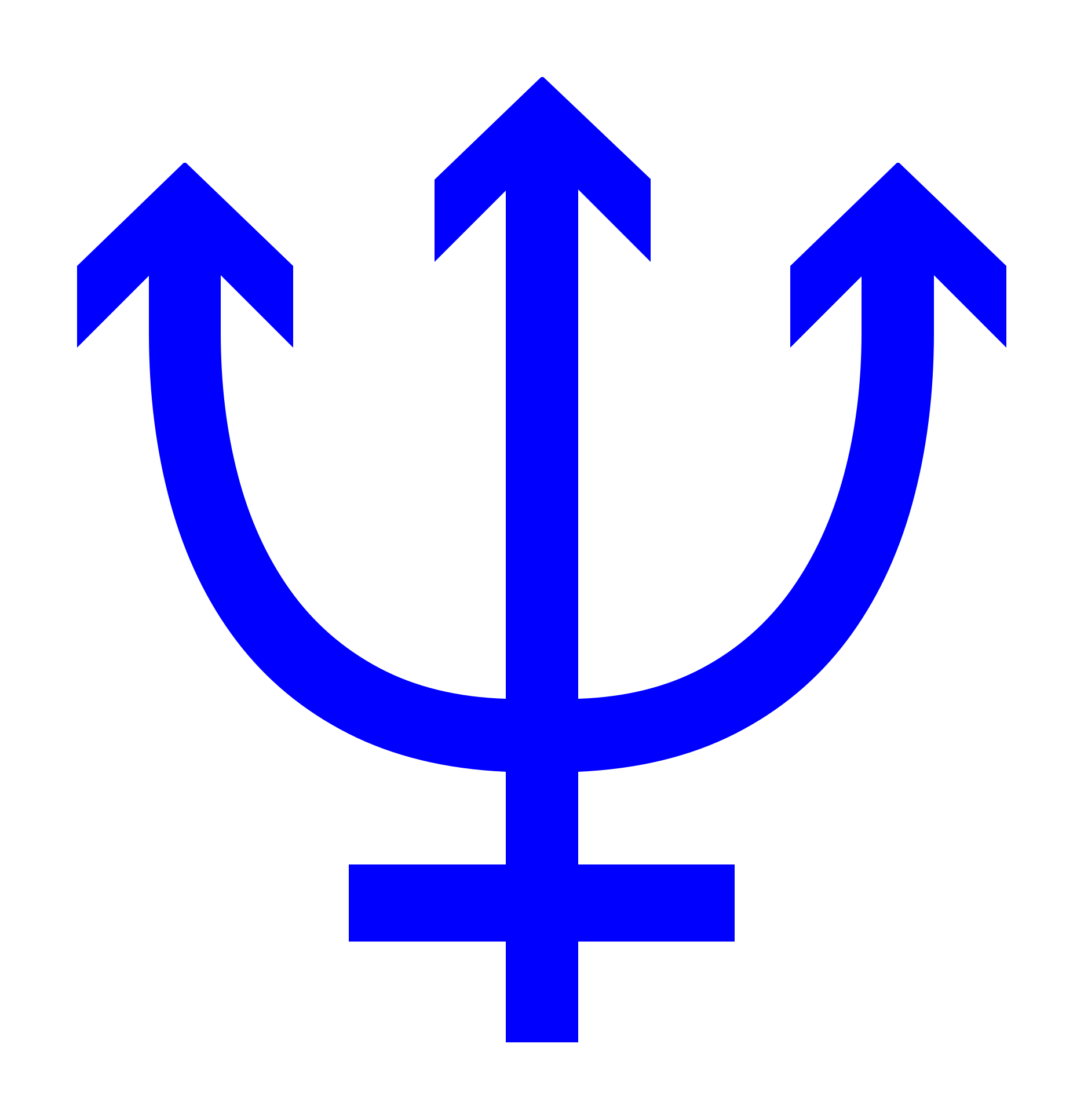 Neptune
Venus Conjunction Neptune
Venus conjunct Neptune fuses love and idealisation into a single romantic sensitivity: dreamy, compassionate attraction, at the risk of confusing pity with love.
The conjunction between Venus and Neptune bestows an extraordinary sensitivity of soul, a deep empathy and an almost old-fashioned romanticism. The person lives love as a spiritual experience, looking for a total union with the partner that goes beyond the material dimension. There is an innate capacity to identify with the sufferings of others, together with a strong sense of compassion and a natural vocation for the arts, in particular for music, for poetry and for the visual arts. This configuration carries the risk of idealising the loved one excessively, however, projecting unreal expectations onto them which can lead to painful disillusionment when daily reality emerges. There is also a vulnerability to dynamics of sacrifice or rescue in relationships. When it is integrated with balance, this position gives an elevated artistic inspiration, an ethereal charm and the capacity to love in a genuinely unconditional and pure way.
Venus Semisextile Neptune
Venus semisextile Neptune creates a small adjustment between real affection and romantic dream: a slight tendency to idealise the one who is loved.
The semisextile (30 degrees) between Venus and Neptune creates an imperceptible but constant drive to spiritualise and to refine the affective and aesthetic sphere. Since the two planets lie in adjacent signs, the person is aware of the need to integrate the concrete desires of Venus with the subtle, elusive sensitivity of Neptune. A discreet emotional intuition often shows itself, able to catch the unsaid in the relationship and to develop a natural delicacy in dealing with others. In aesthetic and financial matters this aspect favours a sophisticated taste and a certain good fortune founded on inspiration and on a sixth sense. Emotional maturing teaches the individual not to confuse compassion with love and to protect their own sensitivity from outward conditioning. It is a valuable configuration which helps to cultivate a calm inner serenity, enriching daily life with a touch of poetry and human understanding.
Venus semisquare Neptune generates low-grade friction between concrete pleasure and idealisation: small recurring disillusionments when reality does not match the dream.
The semisquare (45 degrees) between Venus and Neptune introduces a subtle and recurring tension between affective idealism and the reality of the facts. This dynamic often expresses itself through a vague sense of dissatisfaction or the creeping in of irrational doubts within love affairs. The person may experience small self-deceptions or the tendency to misread the partner's intentions, creating implicit expectations which are then disappointed by the small shortcomings of every day. In financial matters or in personal purchases this aspect can lead to moments of distraction or to spending dictated by passing moods. To get past this friction it is indispensable to develop a greater sense of reality and a transparent communication in romantic relationships. By recognising their own naive self-deceptions and accepting human imperfection, the individual turns the restlessness into a genuine creative sensitivity and into a more mature and conscious empathy.
Venus Sextile Neptune
Venus sextile Neptune offers a natural collaboration between love and imagination: the smallest initiative is enough to live romantic and inspired relationships.
The sextile (60 degrees) between Venus and Neptune is an aspect of grace and harmony which gives a fervid imagination, a marked artistic sensitivity and a gentle, welcoming attitude towards those near them. Whoever has this configuration gives off a subtle, hypnotic magnetism, able to draw people who are kindred on the spiritual and emotional plane. In romantic relationships, understanding is founded on a deep empathic attunement and on a sharing of ethical and aesthetic ideals, where delicacy and mutual respect are fundamental. This aspect greatly encourages talent in the visual arts, in music, in photography or in any activity that calls for inspiration and intuition. In social terms too the person shows a sincere altruism and a natural leaning towards helping those in difficulty. It is a position that supports emotional stability through faith in love, bestowing an existence rich in poetic moments and happy insights.
Venus quintile Neptune gives a distinctive talent for the artistic expression of love, with an original romantic sensitivity.
The quintile (72 degrees) between Venus and Neptune represents an extraordinarily refined combination which marries the love of beauty to the capacity to channel ethereal, spiritual visions into concrete forms of expression. The person possesses a special talent for creating works of art, musical compositions or stylistic concepts steeped in a magical, dreamlike atmosphere, which find an ideal application in the fields of high fashion, of cinema or of conceptual design. In relationships of love they show a subtle, poetic style of courtship, rich in charm and able to create almost unique and transcendent connections with the partner. There is an innate ability to transfigure complex emotions into pure creativity, getting past affective misunderstandings through a higher psychological understanding and a disarming kindness. It is an aspect that gives an innate elegance, an inimitable personal style and a deep view of the sacred sense of emotional union.
Venus Square Neptune
Venus square Neptune creates dynamic tension between real love and idealisation: a risk of romantic illusion or difficulty in seeing the partner clearly.
The square (90 degrees) between Venus and Neptune generates a strong conflict between the deep need for an ideal love and the painful difficulty of accepting the limits of daily reality. This configuration often shows itself in dynamics of self-deception, unrealistic projections or the tendency to fall in love with people who are inaccessible, already committed or in need of rescue. The person risks falling into painful disappointments in matters of feeling, or playing the part of the victim, mistaking self-denial and affective dependence for true love. In the handling of financial resources too there may be losses brought on by too much naivety or by a lack of prudence. This square holds an extraordinary potential for spiritual and creative awakening, however. When the individual learns to set healthy personal boundaries, to abandon illusions and to develop discernment, this energy turns into a most powerful source of artistic inspiration and of sincere unconditional love.
Venus Trine Neptune
Venus trine Neptune lets love and imagination flow naturally: romanticism and compassion support each other, with spontaneous affective sensitivity.
The trine (120 degrees) between Venus and Neptune is one of the most poetic and elevated configurations of the whole horoscope, bestowing a dreamy, pure soul endowed with an innate inner grace. The person lives love with a sense of sacredness and romantic dedication, drawing partners with whom they share an almost telepathic understanding and a deep emotional consonance. There is a natural generosity of soul, free of selfishness or possessiveness, which pushes the individual always to look for the good of the other. The aesthetic sense is very high, steeped in a great sensitivity to the harmony of forms, of colours and of sounds, which makes this position ideal for success in the field of art, of poetry and of entertainment. There is also a veiled protection in the matters of life, guided by a strong intuition and by an unshakeable trust in the goodness of the universe. It is a configuration that bestows inner peace, a romantic charm and the capacity to inspire love all around.
Venus Sesquisquare Neptune
Venus sesquisquare Neptune brings recurring agitation between the need for affective concreteness and the tendency to idealise: small periodic crises of disillusionment.
The sesquisquare (135 degrees) between Venus and Neptune introduces a latent and persistent tension tied to a sense of disenchantment in relationships of love. The person may experience a latent feeling of bewilderment or emotional nostalgia, often perceiving themselves as not understood by the partner in their own deep sensitivity. A tendency stands out to take passive attitudes, to tolerate ambiguity in relationships or to take refuge in evasive fantasies so as not to face the misunderstandings of the life of the couple directly. In the economic or commercial field too, mix-ups or losses may arise, caused by scant attention to detail or by excessively optimistic judgements. To master this aspect, the individual must learn to anchor themselves in reality, expressing their own desires and emotional needs clearly. By turning the tendency to flight into an artistic expression or into a sincere altruistic commitment, a greater firmness in matters of feeling is acquired.
Venus biquintile Neptune gives a refined ability to express dreamy tenderness discreetly, almost in a whisper.
The biquintile (144 degrees) between Venus and Neptune is a harmonious aspect of an intellectual and spiritual nature which gives a unique talent in the sublimating of emotions into elevated artistic and conceptual forms. The person possesses an exceptional aesthetic intuition, able to pick up the atmospheres and the unconscious trends of the community and to translate them into visual, musical or literary works of enormous suggestive power. In the dynamics of the couple they express a mature, empathic affection, deeply respectful of the freedom and of the soul of the other. There is the capacity to dissolve conflicts with the greatest sweetness and psychological intelligence, always finding meeting points founded on higher ethical and spiritual values. This aspect supports the development of a magnetic, mysterious and at the same time reassuring personality, able to offer moral comfort to others and to live love as a constant path of inner elevation and mutual discovery.
Venus Quincunx Neptune
Venus quincunx Neptune creates an uncomfortable adjustment between concrete love and idealised sensitivity, two areas that struggle to communicate without becoming confused.
The quincunx (150 degrees) between Venus and Neptune calls for a continual and delicate effort of realignment between the need for affective stability and the drive to idealisation or to transcendence. The person is often aware of a painful feeling of mismatch between the love they desire and the love they live in reality, finding themselves facing situations in matters of feeling that are confused or marked by subtle emotional compromises. There is a tendency to blame themselves or to sacrifice their own concrete needs in order to please the partner's expectations, ending by feeling lost or without identity within the relationship. This constant drive to adjustment calls for developing a strong discernment and for telling true compassion from harmful submission clearly. Once self-awareness is reached, the person acquires an extraordinary spiritual maturity, learning to love without losing themselves and bringing an immense sweetness into their own relationships.
Venus Opposition Neptune
Venus opposite Neptune projects the tension between real love and idealisation outward, often through elusive or idealised partners: the challenge is staying concrete without losing romance.
The opposition (180 degrees) between Venus and Neptune sets the desire for union in love in constant clash and mirroring with the inability to handle illusions and disillusionment. The person tends to live romantic relationships as a stormy sea, swinging between moments of total romantic ecstasy and brusque falls into reality which generate disappointment and resentment. They often project their own neptunian dimension onto the partner, drawing personalities who are elusive, unreliable, troubled or wholly idealised, only to discover their real nature with bitterness. In financial and contractual matters this position calls for the greatest caution so as to avoid being cheated or making rash choices dictated by naivety. The positive transformation of this aspect comes about when the individual stops looking outside themselves for an ideal saviour and begins to cultivate their own emotional strength. In this way the opposition is converted into an immense capacity for human understanding, empathy and spiritual elevation.
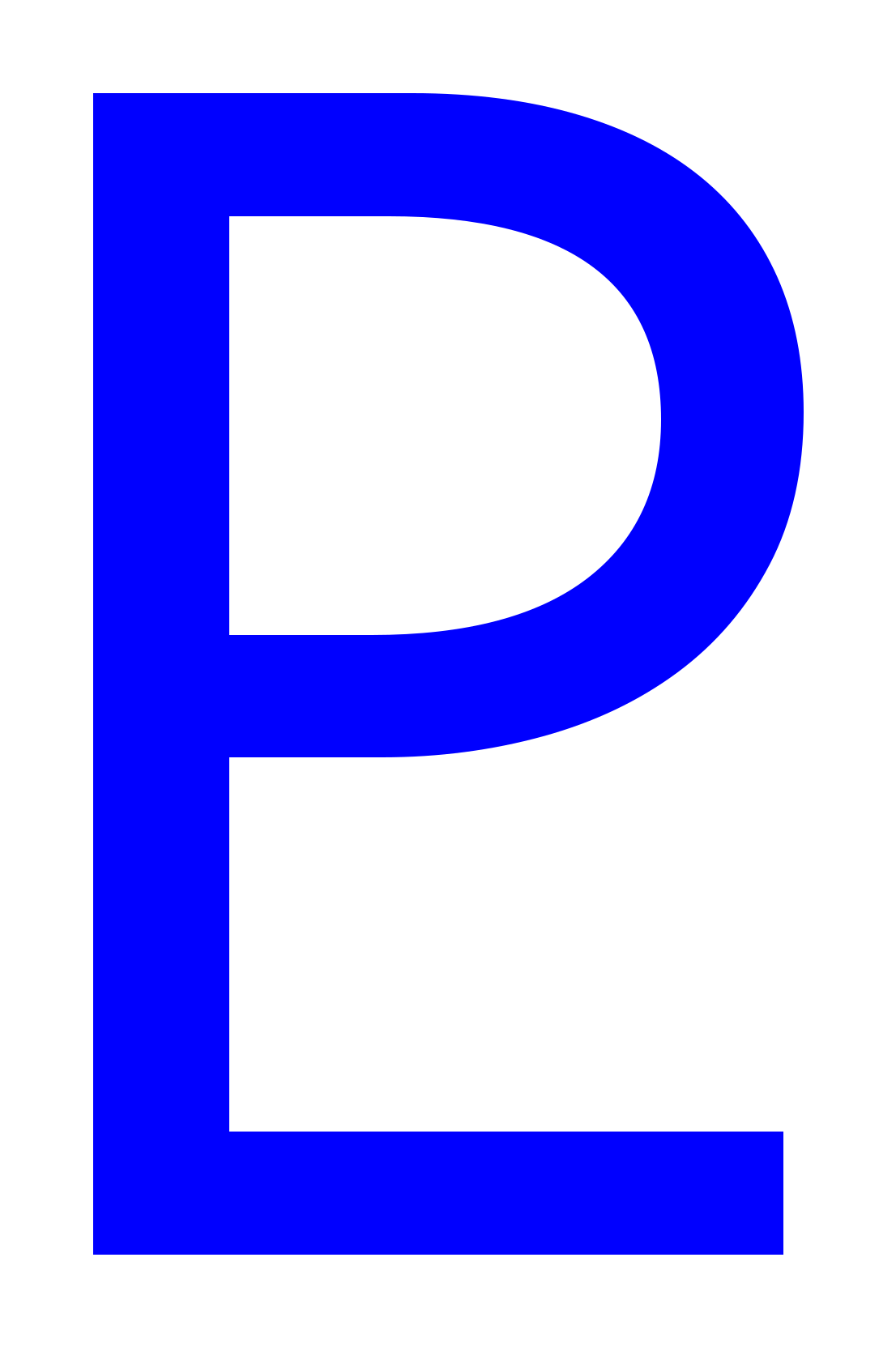 Pluto
Venus Conjunction Pluto
Venus conjunct Pluto fuses love and power into a single total intensity: magnetic and possessive attraction, with bonds that profoundly transform those who live them.
The conjunction between Venus and Pluto bestows an overwhelming magnetism, an uncommon emotional intensity and an all-or-nothing approach to love. Whoever has this aspect cannot conceive superficial or lukewarm relationships: they look for a visceral tie, a total fusion and a deep transformation through the partner. There is an extraordinary charge of seduction and erotic power which draws others almost hypnotically. The fear of rejection or of betrayal can set off dynamics of shadow such as obsessive jealousy, possessiveness or attempts at emotional control, however. In the artistic field it gives a unique capacity to express the darkest and the most elevated human passions with a raw and moving beauty. When the energy is well integrated, this position turns love into a true experience of spiritual rebirth, in which the individual discovers their own immense strength of soul and the capacity to love with absolute dedication.
Venus Semisextile Pluto
Venus semisextile Pluto creates a small adjustment between affection and the need for control: a slight intensity that accompanies even the simplest bonds.
The semisextile (30 degrees) between Venus and Pluto generates a subtle but constant drive to sound the deep nature of their own affective and aesthetic desires. Since the two planets lie in adjacent signs, the person periodically feels the need to go beyond appearances in relationships, looking for a more genuine emotional truth. A discreet psychological nose shows itself which makes it possible to catch the hidden intentions of the partner or the unspoken dynamics of power in the social group. In financial matters this aspect gives a keen intuition for investments and for the handling of shared resources. Emotional maturing teaches the individual not to fear their own vulnerability and to integrate the passionate component gradually, without drama or exasperated breaks. It is a valuable aspect which refines inner perception, turning affective superficiality into an intimate and composed emotional maturity.
Venus semisquare Pluto generates low-grade friction between love and control: small recurring affective power struggles, often tied to jealousy.
The semisquare (45 degrees) between Venus and Pluto introduces a slight but creeping tension tied to the fear of losing control or of being manipulated in matters of love. This dynamic often turns into an underground restlessness in matters of feeling: the person may experience sudden doubts about the faithfulness or the feelings of the partner, setting off small emotional tests or provocative attitudes in order to sound the strength of the tie. There is a tendency to hold emotions back for fear of showing their own weakness, creating a subtle climate of mistrust which risks ruining the serenity of the couple. In the handling of money too there may be tensions tied to the desire to dominate resources, or compulsive spending dictated by inner insecurity. To get past this friction it is essential to learn to trust and to communicate their own fears transparently, turning suspicion into a search for intimate complicity.
Venus Sextile Pluto
Venus sextile Pluto offers a natural collaboration between love and intensity: the smallest initiative is enough to live deep, transformative bonds without being overwhelmed by them.
The sextile (60 degrees) between Venus and Pluto is a harmonious and extremely powerful configuration which gives charisma, passionate balance and a deep emotional intelligence. Whoever has this aspect joins the grace and the sweetness of Venus to the determination and the depth of Pluto, drawing genuine, regenerating relationships free of meanness. In the dynamics of the couple the person knows how to keep the flame of passion alive without falling into toxic possession or destructive jealousy. There is an innate capacity to understand the psychology of the partner and to help them get past their own emotional blocks with empathy and respect. This aspect greatly favours artistic talent, in particular in the forms of expression that explore mystery and psychology, as well as conferring an excellent intuition in business and in financial strategy. It is a position that bestows an unshakeable affective stability and a magnetic, reassuring charm.
Venus quintile Pluto gives a distinctive talent for magnetic attraction and affective transformation, with an original and intense style.
The quintile (72 degrees) between Venus and Pluto represents a refined and highly strategic combination which fuses aesthetic sensitivity with an extraordinary capacity for psychological penetration. The person possesses a special talent for using their own magnetism and their own elegance in order to turn complex situations to their own advantage, both in public relations and in the world of the visual arts. In the dynamics of the couple they express an intense yet extremely clear-headed love, founded on the game of seduction, on mystery and on a subtle emotional alchemy. There is an almost surgical ability to identify and to heal affective misunderstandings through deep, regenerating dialogue, without ever resorting to open clash. It is an aspect that gives an avant-garde aesthetic taste, a sophisticated charm and the capacity to sublimate the most visceral desires into works of art or projects of great value and social impact.
Venus Square Pluto
Venus square Pluto creates dynamic tension between love and power: jealousy, possessiveness or affective obsession that drive a deep transformation of the way one loves.
The square (90 degrees) between Venus and Pluto generates a strong tension between the need for love and a visceral fear of betrayal, of abandonment or of the loss of power. This configuration often shows itself through intense but turbulent relationships, in which passion is interwoven with dynamics of control, of jealousy, of manipulation or of affective dependence. The person may draw complex, dominant or emotionally tormented partners, reproducing a relational model in which love is lived as a constant trial of strength or as ground for suffering. There is a risk of giving way to obsessive behaviour or of using seduction as an instrument of defence. This square is a powerful forge for the maturing of the soul, however. When the individual stops projecting their own shadows outward and faces their own inner wounds, this energy turns into an extraordinary capacity for emotional healing, rebirth and unconditional love.
Venus Trine Pluto
Venus trine Pluto lets love and intensity flow naturally: affective depth and magnetism support each other, with spontaneous and powerful attraction.
The trine (120 degrees) between Venus and Pluto represents one of the best combinations for affective depth, erotic stability and the capacity for personal regeneration. The person enjoys a natural, warm and deep magnetism which draws partners able to offer a genuine, faithful and transformative love. In the relationship, passion renews itself constantly through a psychological and erotic understanding of the highest level, free of insecurity or of the need to dominate. There is a rare capacity to get past crises in matters of feeling, coming out of them each time strengthened and more united than before. This aspect also gives an excellent nose in financial matters, in long-term investments and in the commercial sector. The aesthetic sense is deep, able to catch beauty even in the most hidden or forgotten things. It is a position that bestows a rich, fulfilling affective life, blessed by an unshakeable trust in the strength of love.
Venus Sesquisquare Pluto
Venus sesquisquare Pluto brings recurring agitation between affective need and the need for control: small intense romantic crises calling for a periodic readjustment.
The sesquisquare (135 degrees) between Venus and Pluto introduces a latent and underground tension tied to buried resentment or to unexpressed dynamics of power within the couple. The person may experience a feeling of creeping dissatisfaction, sensing that beneath the surface of the relationship manipulation or things left unsaid are hidden which hinder true intimacy. There is a tendency to accumulate frustration and then to react with coldness or with a sudden emotional detachment, which complicates dialogue with the partner. In the handling of material or financial resources too, disputes may arise tied to control or to spending dictated by irrational impulses. To master this energy, the individual must learn to bring their own unexpressed desires and their own fears to light, avoiding resort to psychological games. A direct and courageous communication makes it possible to heal the wounds and to build a sincere understanding.
Venus biquintile Pluto gives a refined ability to handle affective intensity discreetly, with a depth that is silent rather than declared.
The biquintile (144 degrees) between Venus and Pluto is a harmonious aspect of an intellectual and spiritual nature which gives a great mastery in the understanding and the handling of the unconscious dynamics of love. The person possesses an extraordinary psychological intuition, able to perceive the most intimate needs of the partner and to guide the relationship towards a constant emotional evolution. In the arts and in culture this aspect confers the capacity to create works of strong symbolic and emotional impact, able to fascinate and to heal the soul of those who take them in. There is an innate elegance in handling conflicts in matters of feeling, turning potential crises into opportunities to deepen complicity and mutual respect. The person lives their own sensuality with a sacred and mysterious grace, showing a rare maturity in combining the strength of passion with the elevation of the spirit and respect for the autonomy of others.
Venus Quincunx Pluto
Venus quincunx Pluto creates an uncomfortable adjustment between affective need and the need for control, two areas that struggle to communicate without hidden tension.
The quincunx (150 degrees) between Venus and Pluto calls for a continual and delicate effort of readaptation between the need for emotional harmony and the unconscious drives towards deep change and visceral passion. The person is often aware of a sense of estrangement or of being out of phase in their love affairs, finding themselves having to work at continual compromises between the desire for stability and the attraction to complex or emotionally wearing situations. There is a tendency to adapt excessively in order to please the partner or, on the contrary, to withdraw for fear of being overwhelmed by the intensity of the tie. This constant internal instability invites them to develop a deep self-awareness, learning to recognise their own emotional boundaries without repressing their own passionate component. Once it is integrated, this aspect bestows a remarkable relational wisdom and an extraordinary capacity to understand and to heal human contradictions.
Venus Opposition Pluto
Venus opposite Pluto projects the tension between love and power outward, often in bonds marked by jealousy or possessiveness: the challenge is to transform rather than to control or be controlled.
The opposition (180 degrees) between Venus and Pluto sets the search for peace, sweetness and harmony in constant clash and mirroring with the deep urges of possession, of power and of the fear of loss. The person tends to live their life in matters of feeling as an emotional swing, experiencing a strong attraction to partners who embody their own plutonian shadow: magnetic, manipulative, very jealous or emotionally inaccessible figures. There is a risk of getting stuck in dynamics of affective dependence or of psychological war for control of the relationship, mistaking obsession for true love. In finances it foretells the need for a prudent handling of shared resources so as to avoid disputes. The evolutionary turn comes about when the individual stops fighting against their own fears and learns to love themselves deeply, giving up the need to dominate the other. In this way the opposition turns into an immense force of healing, regeneration and pure passion.
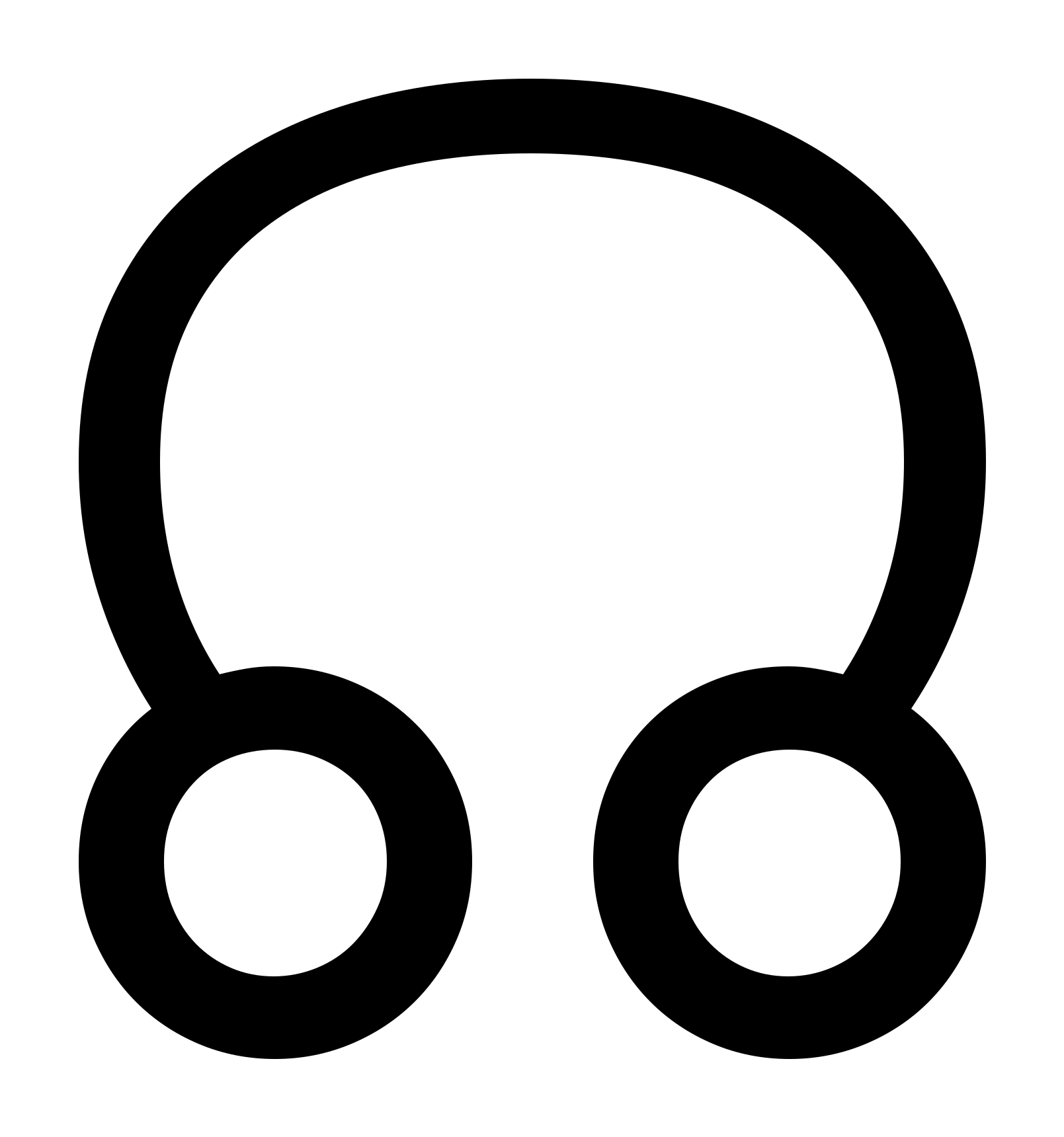 North Node
Venus Conjunction North Node
Venus conjunct the North Node fuses the habitual way of loving and the future direction of growth: the way of relating coincides strongly with the evolutionary path indicated.
The conjunction between Venus and the North Node in the birth chart represents a strong karmic indicator tied to affective and relational destiny. The person is aware of a deep inner drive to evolve through love, through art, through sharing and through the building of ties founded on elevated ethical and aesthetic values. The significant encounters that come about in the course of life are never casual but appear charged with a deep sense of predestination, pushing the individual to review the old relational patterns of the past so as to open up to a new awareness. There is a natural talent for drawing favourable circumstances, liking and social opportunity thanks to a warm and welcoming charm. This configuration indicates that the main road to personal fulfilment passes through the capacity to love genuinely, generously and in tune with the great evolutionary currents of existence, bringing their own creative talents into flower.
Venus Semisextile North Node
Venus semisextile the North Node creates a small adjustment between habitual affection and the growth being asked for: a slight but real gap in the way of loving.
The semisextile (30 degrees) between Venus and the North Node creates a subtle but constant drive to calibrate their own affective choices and their own aesthetic style in harmony with the personal evolutionary path. Since the two points relate to each other discreetly, the person gradually becomes aware of the need to correct course in relationships, abandoning small superfluous attachments so as to open up to more stimulating connections turned towards growth. A constant attention shows itself to the details of daily life and to social dealings, lived as training grounds for inner improvement. In financial matters and in matters of values, this aspect helps to develop a good practical sense, guiding the individual towards far-sighted choices. Emotional maturing comes about step by step, turning the search for approval into a calm inner confidence which supports personal and affective evolution over time.
Venus semisquare the North Node generates low-grade friction between a settled way of loving and necessary change: small recurring affective resistances.
The semisquare (45 degrees) between Venus and the North Node introduces a slight but annoying inner tension tied to small obstacles or delays in finding their own road in romantic relationships. This dynamic often expresses itself through the temptation to fall back into old affective habits that are reassuring but by now outgrown, creating a friction with the evolutionary drive of destiny. The person may experience moments of uncertainty or doubts about the worth of their own aesthetic and relational choices, feeling that something holds their full emotional expression back. To get past this friction it is essential to recognise that the difficulties met in relationships are not punishments but the stimulus needed in order to abandon relational idleness. By working on awareness of their own past conditioning, the individual learns to make more courageous choices, aligned with their own future.
Venus Sextile North Node
Venus sextile the North Node offers a natural collaboration between love and growth: the smallest initiative is enough to align relationships with the evolutionary path.
The sextile (60 degrees) between Venus and the North Node is an extremely favourable aspect which makes personal growth easier through happy encounters, social harmony and stimulating affective opportunities. The sensitivity, the grace and the aesthetic sense of Venus integrate naturally into the evolutionary direction the North Node indicates. Whoever has this configuration easily draws people and circumstances that favour the development of their own artistic talent, economic stability and fulfilment in the relationship. There is a marked capacity to tune in to the positive trends of their own environment, knowing how to seize the right occasions at the right moment. In relationships the person knows how to offer affection, loyalty and moral support spontaneously, creating a climate of trust and mutual growth. It is a position that bestows inner serenity and the pleasant feeling of being on the right road.
Venus quintile the North Node gives a distinctive talent for finding original affective routes towards one's own growth, with insight into the relational road to be travelled.
The quintile (72 degrees) between Venus and the North Node represents a refined and creative combination which joins the sense of beauty and of harmony to a special intuition about their own path of destiny. The person possesses a distinctive talent for expressing their own artistic or relational originality in a way that inspires others and makes their own personal evolution easier. In affective dynamics they show an almost strategic capacity to understand which ties can favour spiritual and emotional growth, moving away elegantly from stagnant situations. There is an innate ability to turn aesthetic pursuits or professional collaborations into true springboards for the future. This aspect confers a unique style, a magnetic charm and the capacity to seize the evolutionary opportunities hidden in the folds of daily life.
Venus Square North Node
Venus square the North Node creates dynamic tension between a settled way of loving and the growth being asked for: a conflict that pushes one to evolve in relationships too.
The square (90 degrees) between Venus and the North Node generates a strong tension between the desire to cling to old models of affective comfort (represented by the South Node in opposition) and the inescapable need to evolve towards new relational goals. This configuration often shows itself in the feeling of being stuck in repetitive dynamics in matters of feeling, or in encounters that bring their own deep insecurities to light. The person may feel the fear of losing their own material or emotional certainties if they decide to follow their true affective vocation. This square holds a most powerful transformative drive, however: relational crises serve precisely to break the old limiting karmic ties. When the individual finds the courage to abandon the zones of emotional comfort, the tension dissolves, opening the way to a life in matters of feeling that is at last genuine and regenerating.
Venus Trine North Node
Venus trine the North Node lets love and growth flow naturally: the way of relating spontaneously supports the evolutionary path, at the risk of proceeding without real effort.
The trine (120 degrees) between Venus and the North Node is one of the most harmonious and fortunate configurations for living love in tune with their own evolutionary destiny. The person experiences a natural fluency in relationships, enjoying the favour and the liking of others without having to make excessive efforts. The important encounters of life arrive at the right moment, bringing joy, emotional stability and a deep sense of inner completion. There is an innate talent for the arts, for diplomacy, for the harmonious handling of resources and for the creation of ties founded on shared values and mutual respect. The individual knows how to give and to receive love with great generosity, using their own aesthetic and relational gifts as instruments of personal and collective growth. It is a position that protects from the great upheavals in matters of feeling, guaranteeing an existence rich in beauty, in sincere affection and in deep rewards.
Venus Sesquisquare North Node
Venus sesquisquare the North Node brings recurring agitation between the habitual way of loving and the direction to take: small periodic affective crises of orientation.
The sesquisquare (135 degrees) between Venus and the North Node introduces an intermittent and frustrating tension tied to the perception of being unable to find the right direction in matters of the heart. The person may be aware of a latent dissatisfaction, as though the relationships lived in the present did not fully satisfy the deepest aspirations of their soul, creating a gap between what they desire and what destiny asks of them. There is a tendency to repeat small errors of judgement in affective or financial choices, driven by the inertia of the past. To master this energy, the individual must develop a greater critical awareness, learning to identify which relational behaviours are hindering their evolution. By facing these small frictions with courage and clarity, the person manages to realign their own affective values with the path of their own future.
Venus biquintile the North Node gives a refined ability to move affectively towards one's own growth in a discreet way.
The biquintile (144 degrees) between Venus and the North Node is a harmonious aspect of a spiritual and subtle nature which gives an extraordinary mastery in understanding the karmic and evolutionary design of their own relationships. The person possesses a most refined intuition which allows them to recognise at once the evolutionary value of the people they meet along their road. In affective and aesthetic matters they show an enlightened approach, able to turn every tie into an occasion of mutual enrichment and of spiritual elevation. There is a marked talent for mediating differences, for creating beauty and for harmonising complex situations thanks to a far-sighted and refined vision. This configuration supports success in creative activity, in diplomacy and in relational consultancy, bestowing on the person the serene awareness of guiding their own life in matters of feeling towards elevated and luminous goals.
Venus Quincunx North Node
Venus quincunx the North Node creates an uncomfortable adjustment between a settled way of loving and the direction of growth, two areas requiring constant adaptation.
The quincunx (150 degrees) between Venus and the North Node calls for a continual, laborious and patient effort of readaptation between the desires of the heart and the demands of their own evolutionary path. The person is often aware of a painful lack of phase between affective habits rooted in the past and the direction destiny obliges them to take, finding themselves having constantly to mediate between what is comfortable and what is necessary in order to grow. There is a risk of sacrificing their own emotional needs in the name of a misunderstood sense of karmic duty, or of hesitating in the face of important choices. This configuration encourages deep inner work of purifying their own personal values. Once this energy is integrated, the individual develops a wise and compassionate maturity, understanding that true happiness is born of the conscious alignment between love for themselves and their own spiritual evolution.
Venus Opposition North Node
Venus opposite the North Node projects the tension between the habitual way of loving and necessary growth outward, often onto partners who embody the path not yet chosen.
The opposition (180 degrees) between Venus and the North Node places Venus in conjunction with the South Node (the karmic past, the old habits and the zones of relational comfort). This configuration indicates that the person tends to take refuge in affective patterns that are by now outgrown, in emotional dependence or in an excessive attachment to pleasure and comfort, all of which hold their evolutionary growth back. There is a risk of repeating relational dynamics of the past which no longer offer any real satisfaction. The challenge of this opposition consists in breaking away from the old securities so as to reach out courageously towards the new goals the North Node indicates, which call for a greater autonomy, courage and authenticity. When the individual agrees to let go of what belongs to the karmic past, the opposition turns into an extraordinary opportunity of liberation, making it possible to build mature, free and deeply regenerating relationships.
 Lilith
Venus Conjunction Lilith
Venus conjunct Lilith fuses social love and untamed authentic sexual instinct: pleasure and desire are expressed unfiltered, even when they disturb convention.
The conjunction between Venus and Lilith fuses the archetype of affection and of beauty with the visceral, untameable force of the Shadow. Whoever has this aspect gives off a fatal, hypnotic magnetism, able to draw and to fascinate deeply. In romantic relationships the person categorically refuses social convention, pretence and traditional roles, demanding a total authenticity and an intimacy free of taboos. There is a deep identification with their own seductive power, but also a marked impatience with any attempt at control or submission on the partner's part. In the course of life the individual may experience dynamics of rejection or of misunderstanding because of their nonconformist nature. When it is integrated with awareness, this position gives an extraordinary emotional freedom, a bold aesthetic sense that goes against the current, and the capacity to live sensuality with immense dignity and pride.
Venus Semisextile Lilith
Venus semisextile Lilith creates a small adjustment between conventional affection and authentic instinct: a slight tension between the romantic image and real desire.
The semisextile (30 degrees) between Venus and Lilith creates a subtle but constant drive to integrate the search for relational harmony with the instinctive voice of the unconscious. Since the two points lie in adjacent signs, the person periodically becomes aware of a latent discrepancy between the need to please others in order to keep the peace and the visceral drive to claim their own autonomy. In the dynamics of the couple this aspect refines their sensitivity to the unsaid and to the hidden desires of the partner, gradually teaching them not to stifle their own wild nature in the name of a quiet life. It is a discreet configuration which develops an original, nonconformist aesthetic intuition, helping the person to measure out diplomacy with their own straightforwardness intelligently, building affective ties that are gradually ever more genuine and free of masks.
Venus semisquare Lilith generates low-grade friction between social love and rebellious instinct: small recurring frictions whenever authentic desire disturbs the harmony being sought.
The semisquare (45 degrees) between Venus and Lilith introduces a slight but creeping inner tension tied to the fear of being judged or rejected for their own affective and sensual nature. This dynamic often shows itself in a subtle restlessness in love affairs: the person tends to perceive a latent conflict between what they feel they must show in order to be loved and their most hidden desires. There is a tendency to provoke the partner or to withdraw suddenly in order to test their acceptance of their own side of shadow, setting off small frictions or passing misunderstandings. To get past this friction it is essential that the individual develop a solid self-acceptance, ceasing to blame themselves for their own emotional complexity. By turning the impatience into awareness, the person learns to express their own affection without fear and with a renewed ease.
Venus Sextile Lilith
Venus sextile Lilith offers a natural collaboration between pleasure and instinctive authenticity: the smallest initiative is enough to live desire without shame.
The sextile (60 degrees) between Venus and Lilith is an aspect of great harmony which makes it possible to integrate the natural charm and the venusian diplomacy with the wild instinct and the depth of Lilith easily. Whoever has this configuration gives off a spontaneous, open and extremely genuine seduction, able to fascinate others without proving threatening. In the relationship, understanding is founded on mutual respect for freedom and for each other's areas of shadow, where erotic and emotional intimacy is lived naturally, curiously and with a total absence of prejudice. This aspect favours a marked artistic creativity, able to express complex and visceral themes with extraordinary elegance and aesthetic sense. It is a position that supports a healthy self-esteem, the capacity to defend their own boundaries with grace and firmness, and the possibility of living love with joyful freedom.
Venus quintile Lilith gives a distinctive talent for expressing authentic desire creatively and originally, with an unconventional magnetic charm.
The quintile (72 degrees) between Venus and Lilith represents a sophisticated and highly creative combination which joins aesthetic sensitivity to a deep mastery in the handling of unconscious and seductive energies. The person possesses a unique talent for using their own mysterious, nonconformist side as an element of distinction and elegance, which finds an ideal application in the visual arts, in design or in performance art. In affective dynamics they show a subtle, cerebral and electrifying style of seduction, able to draw the partner through a fascinating game of glances, complicity and mystery. There is an innate ability to sublimate emotional tensions or taboos into refined stylistic expressions, getting past relational stereotypes with intelligence and originality. It is an aspect that bestows an unmistakable style, inner dignity and a deep understanding of the human psyche.
Venus Square Lilith
Venus square Lilith creates dynamic tension between conventional love and authentic instinct: a conflict between what is expected in a relationship and what is really desired.
The square (90 degrees) between Venus and Lilith generates a strong inner conflict between the need for union, sweetness and social approval on one side and the visceral impulse to rebellion, autonomy and the refusal of compromise on the other. The person may experience painful lacerations in the relationship, often finding themselves having to choose between pleasing the partner (annulling themselves) and claiming their own freedom (facing the fear of abandonment). They often draw complex relational dynamics, in which passion collides with taboos, with jealousy or with the feeling of being misunderstood and rejected for their own true nature. This square is a powerful forge of personal emancipation, however: when the individual stops looking for outward validation and integrates their own deep truth with pride, this energy turns into an extraordinary magnetic force and into a genuine, unshakeable capacity to love.
Venus Trine Lilith
Venus trine Lilith lets love and authenticity flow naturally: living desire unfiltered becomes spontaneous, with a genuine magnetism that others accept well.
The trine (120 degrees) between Venus and Lilith is one of the best configurations for living sensuality, love and their own emotional freedom in perfect balance. The person enjoys a spontaneous, deep and magnetic appeal which draws partners able to appreciate their authenticity and their independence. There is a natural acceptance of their own desires and of their own imperfections, which makes it possible to live relationships without masks, feelings of guilt or destructive dynamics of power. There is an extraordinary capacity for affective regeneration and an innate talent for turning past pain or rejection into strength and wisdom. The aesthetic sense is rich, courageous and steeped in a magnetic beauty which does not go unnoticed. It is a position that bestows emotional stability, independence of judgement and the rare capacity to love and to be loved for what one really is.
Venus Sesquisquare Lilith
Venus sesquisquare Lilith brings recurring agitation between social affective need and authentic instinct: small periodic crises of romantic rebellion.
The sesquisquare (135 degrees) between Venus and Lilith introduces an underground, intermittent tension tied to subtle dissatisfactions or resentments in matters of the heart. The person may be aware of the feeling that their own true sensual and emotional nature is not fully welcomed in the relationship, which generates a latent sense of isolation. There is a tendency to accumulate impatience and then to react with a sudden coldness, detachment or provocative attitudes which take the partner aback, making relational continuity difficult. In the handling of resources or of their own image too there may be rash choices dictated by the desire to challenge convention. To master this aspect, the individual must learn to communicate their most intimate needs in good time, keeping frustration from building up and learning to live their own complexity with a greater serenity.
Venus biquintile Lilith gives a refined ability to let authentic desire emerge discreetly, without scandal but without pretence.
The biquintile (144 degrees) between Venus and Lilith is a harmonious aspect of an intellectual and spiritual nature which gives a great mastery in sublimating the Shadow and the instinct into elevated artistic and relational forms. The person possesses an extraordinary emotional intelligence, able to penetrate the mysteries of attraction and to understand the unexpressed desires of the partner with rare sensitivity. In matters of feeling they show a mature, magnetic approach, deeply respectful of the freedom of others, dissolving conflicts through dialogue and psychological understanding. There is a marked talent in the art of communicating the unconscious through the symbol, through music or through the visual arts, creating works of strong emotional impact. It is a configuration that confers a mysterious charm and an innate dignity, making it possible to turn the wounds of the past into an instrument of awareness and spiritual elevation.
Venus Quincunx Lilith
Venus quincunx Lilith creates an uncomfortable adjustment between conventional love and authentic instinct, two areas hard to reconcile without guilt.
The quincunx (150 degrees) between Venus and Lilith calls for continual and careful work of readaptation between the desire for affective harmony and the visceral need to stay faithful to themselves. The person is often aware of a painful feeling of being out of time or out of phase in love affairs, finding themselves facing relationships that call for continual compromises over their own emotional or sensual authenticity. There is a tendency to alternate moments of total compliance towards the partner with brusque moments of refusal and flight, created by the unconscious fear of losing their own wild identity. Integrating this configuration calls for the development of a great conscious flexibility, learning to define healthy boundaries without isolating themselves. Once this maturity is reached, the person acquires a deep relational wisdom, able to welcome the contradictions of the human psyche with infinite compassion.
Venus Opposition Lilith
Venus opposite Lilith projects the tension between social love and instinctive desire outward, often onto figures perceived as scandalous: the challenge is to integrate rather than to judge.
The opposition (180 degrees) between Venus and Lilith sets the search for love, sweetness and social acceptance in constant mirroring and polarisation with the untameable instinct, the refusal of compromise and the fear of rejection. The person tends to live romantic relationships as an emotional swing, oscillating between the need for affective fusion and sudden bursts of rebellion and detachment. The component of Lilith is often projected outward, drawing partners who are elusive, magnetic, forbidden or strongly nonconformist and who reflect their own internal difficulty in reconciling harmony with the wild side of the soul. There is a risk of living love as ground for clash between the social facade and unconscious desire. The transformation of this aspect comes about when the person stops dividing their own affective world into good and evil, agreeing to integrate their own shadow: the opposition is thus converted into an extraordinary seductive power and into an unshakeable authenticity.
 Ascendant
Venus Conjunction Ascendant
Venus conjunct the Ascendant fuses aesthetic taste and outer image: pleasantness and harmony come across from the first glance, often with a carefully groomed, agreeable appearance or manner.
The conjunction between Venus and the Ascendant bestows an innate grace, a strong magnetism and an extremely pleasant, sunny and elegant public image. The person gives off a spontaneous sweetness and beauty which immediately win over those around them, which makes their impact with the outside world marked by cordiality and by the search for harmony. There is a natural attention to the care of the body, to personal style and to the aesthetic in every form. In relationships the approach is open, diplomatic and free of aggression, driven by the sincere desire to create pleasant and balanced ties. The one risk lies in an excessive search for outward approval, or in the tendency to please others so as to avoid conflict. When it is well lived, this position bestows a great charisma, social success and an innate capacity to spread serenity and beauty wherever they go.
Venus Semisextile Ascendant
Venus semisextile the Ascendant creates a small adjustment between aesthetic sense and image: a slight tension between the wish to please and how one actually presents.
The semisextile (30 degrees) between Venus and the Ascendant creates a subtle but constant drive to harmonise their own image and modes of expression with affective sensitivity. Since the two points lie in adjacent signs, the person gradually learns to calibrate their own way of presenting themselves to the world, coordinating the natural diplomacy of Venus with the presentational drive of the Ascendant. A discreet attention shows itself to their own appearance and to social etiquette, used as instruments to make everyday relationships easier. In dealings with others this aspect gives a calm tact which avoids sharp edges and favours serene encounters. Personal maturing teaches the individual not to stifle their own spontaneity for fear of not being liked, which leads to a subtle and constant evolution of their own style and of their own relational skills.
Venus semisquare the Ascendant generates low-grade friction between taste and outer image: small recurring insecurities tied to how one is perceived aesthetically.
The semisquare (45 degrees) between Venus and the Ascendant introduces a slight but creeping inner tension between their own true identity and the image they project outwardly in order to be accepted. This dynamic often turns into a restlessness tied to their appearance or to their personal worth: the person may feel small doubts about their own power of seduction, looking for continual reassurance through the attention of others. In relationships a slight tendency to touchiness may show itself, or to taking insecure attitudes during first meetings for fear of not making a good impression. To master this friction it is essential to develop a greater trust in their own inner qualities, getting past social performance anxiety. Once it is rebalanced, this energy pushes the individual to tend their own style genuinely and free of conditioning.
Venus Sextile Ascendant
Venus sextile the Ascendant offers a natural collaboration between pleasantness and image: the smallest self-care is enough to come across as agreeable and well received.
The sextile (60 degrees) between Venus and the Ascendant is an aspect of great harmony which makes social communication, artistic expression and the creation of balanced affective ties easier. Whoever has this configuration presents themselves to others with a sunny, affable and elegant attitude, effortlessly drawing liking, esteem and opportunities for cooperation. There is a spontaneous accord between the individual's deep identity and their outward image, which allows them to express affection and warmth with no affectation or hypocrisy. This aspect favours diplomacy, public relations and activity tied to fashion, to beauty or to wellbeing. In romantic relationships the person knows how to create a climate of trust and complicity with the partner from the start, facing misunderstandings with great tact and flexibility. It is a position that bestows popularity and an existence rich in rewarding social contacts.
Venus quintile the Ascendant gives a distinctive talent for an original personal style, turning self-image into an artistic statement.
The quintile (72 degrees) between Venus and the Ascendant represents a refined and highly stylised combination which gives a unique talent in the tending of their own public image and of their own non-verbal communication. The person possesses a marked aesthetic sense which allows them to define a distinctive, elegant and uncommon personal style. In the dynamics of social approach they show a cerebral and strategic charm, able to create a memorable first impression without resorting to banality or display. There is an innate ability to turn their own bearing, their voice and their gestures into true instruments of seduction and of artistic communication. This aspect supports the development of a great taste for art, for design and for fashion, bestowing on the person the capacity to move in every environment with a sophisticated and wholly original elegance.
Venus Square Ascendant
Venus square the Ascendant creates dynamic tension between the wish to please and one's authentic self-image: a conflict between pleasing others and being oneself.
The square (90 degrees) between Venus and the Ascendant generates a tension between the person's true affective nature and the way they choose to present themselves or to act in the world. This configuration often shows itself through insecurity tied to body image, through the fear of rejection or through the feeling that their own sweetness is misread or little appreciated at first impact. The person may swing between excessively compliant behaviour in order to be loved and attitudes of defensive closing up whenever they feel vulnerable. In romantic relationships the first phases of courtship may be marked by a certain awkwardness or by communicative false steps. This square encourages powerful work on self-esteem, however: by getting past the obsession with the judgement of others, the person learns to develop a beauty that is genuine, deep and wholly independent of the fashions of the moment.
Venus Trine Ascendant
Venus trine the Ascendant lets taste and image flow naturally: one is perceived as pleasant and harmonious with no effort, with a spontaneous charm.
The trine (120 degrees) between Venus and the Ascendant represents one of the most harmonious configurations for the personality, for charisma and for interpersonal relationships. The person enjoys a natural beauty and a fluid charm which need no effort to be noticed. The expression of their own affection and aesthetic sense fuses perfectly with the outward personality, guaranteeing consistency, spontaneity and great empathy in contact with those near them. Others immediately perceive the sincere goodness of soul and the desire for harmony, granting trust and support with great ease. In the relationship, understanding develops serenely and naturally from the very first moment, made easier by an innate diplomacy and by a deep respect for the sensitivity of others. It is an extremely fortunate position which bestows grace, popularity and a serene social life, rich in satisfaction.
Venus Sesquisquare Ascendant
Venus sesquisquare the Ascendant brings recurring agitation between the need to please and one's real self-image: small periodic aesthetic insecurities.
The sesquisquare (135 degrees) between Venus and the Ascendant introduces a subtle and intermittent tension into the handling of their own image and into interpersonal relationships. The person may experience moments of dissatisfaction with their appearance, or the feeling that their own manner is poorly attuned to the expectations of the surrounding environment. There is a tendency to take attitudes that are too rigid or, on the contrary, all too yielding in first approaches, which creates small misunderstandings or embarrassing situations. In the dynamics of the couple too, passing frictions may arise tied to the difficulty of communicating their own needs for affection or for space in good time. To master this aspect, the individual must learn to relax and to accept themselves free of conditioning, expressing their own beauty and their own worth naturally and with balance.
Venus biquintile the Ascendant gives a refined ability to tend one's image with discreet elegance, without ostentation.
The biquintile (144 degrees) between Venus and the Ascendant is a harmonious aspect of an intellectual and stylistic nature which gives a true mastery in the presentation of themselves and in the art of seduction. The person possesses a refined aesthetic intelligence, able to calibrate their own social behaviour and their own image perfectly according to different circumstances, without ever losing their authenticity. In romantic relationships they show a sophisticated approach, attentive to detail, able to fascinate the partner through conversation, through grace and through a reassuring presence. There is a marked talent for the care of visual detail, for interior architecture, for fashion and for high-level public relations. It is a configuration that confers dignity, a timeless charm and a natural capacity to turn the impact with others into a moment of genuine emotional and aesthetic attunement.
Venus Quincunx Ascendant
Venus quincunx the Ascendant creates an uncomfortable adjustment between personal taste and outer image, requiring constant fine-tuning of style.
The quincunx (150 degrees) between Venus and the Ascendant calls for a continual and patient effort of readaptation between the intimate need for affective harmony and their own way of life and outward expressiveness. The person is often aware of a painful lack of phase between how they feel inside and how they are perceived by others, finding themselves having to correct their course continually in social dealings. There is a tendency to change their own behaviour excessively in order to please the environment, ending by feeling without a solid identity or frustrated in their own personal needs. Integrating this configuration calls for the development of a careful self-awareness, learning to reconcile the search for harmony with the assertion of their own truth. Once this maturity is reached, the individual acquires an excellent social flexibility and a marked sensitivity to the needs of others.
Venus Opposition Ascendant
Venus opposite the Ascendant projects the tension between the need to please and self-image outward, often seeking confirmation through relationships: the challenge is to like oneself before seeking others' approval.
The opposition (180 degrees) between Venus and the Ascendant places Venus in exact conjunction with the Descendant (the cusp of the Seventh House, the point of the relationships of the couple and of others). This is one of the best positions for life in matters of feeling and for social unions: the person carries out their own identity precisely through the relationship with the partner, constantly looking for harmony, sharing and beauty in the union of the couple. There is a deep need to love and to be loved, together with the ability to draw cultured, attractive and refined partners. The approach to others is guided by an innate diplomacy and by a sincere desire for fairness and cooperation. Although there may be the temptation to depend on the partner's approval in order to feel complete, this position turns the life of the couple into an exceptional mirror of growth, grace and shared happiness.
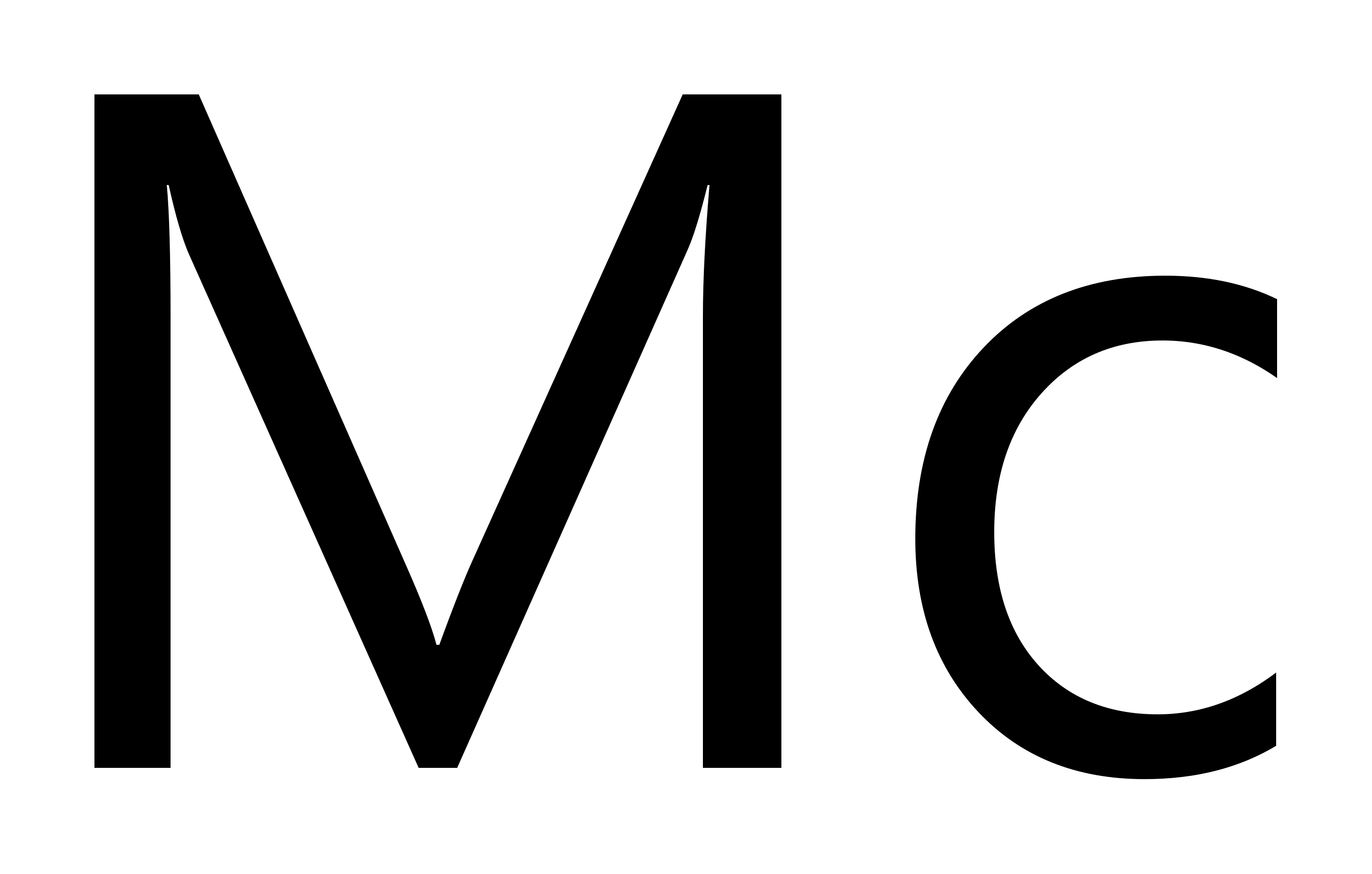 Midheaven
Venus Conjunction Midheaven
Venus conjunct the Midheaven fuses aesthetic taste and professional calling: career is built through harmony, beauty or relationships, with a pleasant public reputation.
The conjunction between Venus and the Midheaven is one of the most favourable positions for professional success tied to the world of art, of beauty, of diplomacy and of public relations. The person enjoys an extremely pleasing, charming and esteemed public image, able to draw liking and working opportunities with no need to resort to aggressive effort. They often stand out in careers connected to fashion, to design, to cosmetics, to jurisprudence or to the visual arts. There is a natural talent for creating a climate of harmony in working settings, earning the esteem of superiors and colleagues. The one risk lies in the temptation to avoid the professional conflicts that are necessary, or to settle on their own popularity. When this energy is integrated with maturity, the individual achieves a brilliant and fulfilling career, in which grace and the aesthetic sense become the true engines of success.
Venus Semisextile Midheaven
Venus semisextile the Midheaven creates a small adjustment between aesthetic sense and career: a slight tension between the wish to please and the demands of one's public role.
The semisextile (30 degrees) between Venus and the Midheaven creates a subtle but constant drive to calibrate their own professional aspirations with aesthetic and relational values. Since the two points lie in adjacent sectors of the birth chart, the person gradually becomes aware of the need to harmonise their own working style with the desire to be appreciated by the public or by superiors. A discreet attention shows itself to corporate etiquette and to the care of detail in creative or administrative projects. In choices of career this aspect favours a gradual entry into pleasant settings, where diplomacy and tact make it possible to get past small daily obstacles. Professional maturing teaches the individual not to fear commitment, turning the search for approval into a solid competence and into a refined taste recognised in the working environment.
Venus semisquare the Midheaven generates low-grade friction between taste and professional calling: small recurring insecurities tied to one's professional image.
The semisquare (45 degrees) between Venus and the Midheaven introduces a slight but annoying inner tension tied to small frictions between personal desires for comfort and the demands that come of the career or of public ambition. This dynamic often shows itself in the feeling that their own artistic or relational talent is not fully recognised by superiors or by the market. The person may experience brief moments of uncertainty about the professional direction to take, swinging between the need for economic security and the desire to express their own creative vein. To get past this friction it is essential to develop a greater professional self-esteem, learning to value their own abilities without depending unduly on outward judgement. Constant commitment turns this friction into an effective drive to assert their own style successfully.
Venus Sextile Midheaven
Venus sextile the Midheaven offers a natural collaboration between pleasantness and career: the smallest self-care is enough to build a pleasant public reputation.
The sextile (60 degrees) between Venus and the Midheaven is an extremely favourable aspect which makes the professional climb, cooperation and public success easier thanks to a marked diplomatic grace. Aesthetic sensitivity and the capacity to feel empathy with others integrate naturally into the ambitions of the career. Whoever has this configuration easily finds rewarding working outlets in the field of creativity, in the trade of luxury goods, in hospitality or in relational consultancy. The person presents themselves in the world of work with a reassuring smile and a gracious competence which inspire immediate trust in clients and in business partners. This aspect also bestows a fair financial fortune tied to advantageous contracts and happy collaborations, guaranteeing a solid, respected reputation constantly surrounded by a climate of harmony.
Venus quintile the Midheaven gives a distinctive talent for an original artistic or relational career, standing out for elegance.
The quintile (72 degrees) between Venus and the Midheaven represents a sophisticated and highly creative combination which joins the sense of beauty to a strategic talent for the promotion of their own public image. The person possesses a unique ability to channel their own artistic inspiration or their own aesthetic taste into original and highly successful professional projects, finding room in advanced design, in art curatorship or in the strategies of visual communication. In the working context they know how to move with a mental elegance which takes competitors aback, resolving complex matters with diplomacy and brilliant intuition. There is the capacity to turn their own passions into a sought-after and stimulating profession, conferring on their own social position a distinctive, refined and wholly unforgettable character.
Venus Square Midheaven
Venus square the Midheaven creates dynamic tension between the wish to please and professional calling: a conflict between pleasing the public and staying true to one's own taste.
The square (90 degrees) between Venus and the Midheaven generates a strong tension between the need to enjoy life, pleasure and affective harmony and the hard demands of responsibility and commitment the career imposes. This configuration often shows itself in the fear of compromising their own public image, or in the frustration of being unable to reconcile life in matters of feeling with professional ambition. The person may swing between periods of excessive idleness or self-satisfaction and moments of intense working dedication driven by the need to redeem themselves. In dealings with authority or with superiors, misunderstandings may arise tied to a certain impatience with rigid rules. This square holds a fundamental evolutionary drive, however: by getting past the search for easy shortcuts and investing in their own genuine worth, the individual builds a solid and lasting reputation.
Venus Trine Midheaven
Venus trine the Midheaven lets taste and career flow naturally: a harmonious, well-received public reputation is built, often with social success.
The trine (120 degrees) between Venus and the Midheaven is one of the best configurations for guaranteeing harmony, success and gratification in the professional and social sphere. The person enjoys a natural popularity and an institutional charm which easily open doors in the world of work. There is a perfect attunement between what the person loves to do and what society appreciates, which makes professional achievement fluid and free of insurmountable obstacles. The professions tied to the aesthetic, to fashion, to art, to diplomacy and to finance find in this position a formidable ally. The handling of economic resources is prudent and fortunate, often accompanied by earnings that come of profitable collaborations. It is a configuration that bestows an impeccable reputation, the unconditional esteem of the surrounding environment and a serene, fulfilling public life.
Venus Sesquisquare Midheaven
Venus sesquisquare the Midheaven brings recurring agitation between the need to please and professional calling: small periodic insecurities about one's public image.
The sesquisquare (135 degrees) between Venus and the Midheaven introduces a subtle and intermittent tension between the search for personal gratification and the pressures connected with social achievement. The person may be aware of a latent dissatisfaction with their own working position, sensing that their own creative or affective talents find no proper room for expression in the context they work in. There is a tendency to react with attitudes of detachment or with subtle controversy in the face of corporate decisions held to be unfair or in poor taste. In the handling of working relationships too, small frictions may emerge tied to a scant tolerance of bureaucratic routine. To master this energy, the individual must learn to channel their own frustration into constructive projects, redefining their own professional aims clearly.
Venus biquintile the Midheaven gives a refined ability to build an elegant, discreet reputation, without ostentation.
The biquintile (144 degrees) between Venus and the Midheaven is a harmonious aspect of an intellectual and spiritual nature which gives an extraordinary mastery in the handling of their own public image and of institutional relationships. The person possesses a refined artistic or diplomatic talent, together with a rare capacity to understand the social and cultural trends of their own time. In their career they show a far-sighted and charismatic approach, able to guide complex projects tied to beauty, to culture or to collective wellbeing with great elegance. There is an innate ability to turn professional difficulties into opportunities for growth, drawing on a network of influential and stimulating contacts. This configuration confers a marked professional dignity, a prestige earned in the field and the capacity to leave a lasting, harmonious imprint in their own working sector.
Venus Quincunx Midheaven
Venus quincunx the Midheaven creates an uncomfortable adjustment between personal taste and professional calling, requiring constant fine-tuning of one's public style.
The quincunx (150 degrees) between Venus and the Midheaven calls for a continual, laborious and patient effort of readaptation between the needs of the heart, their own aesthetic style and the concrete demands of the professional world. The person is often aware of a painful lack of phase between what they wish to express creatively and what the market or society seems to ask for, finding themselves having constantly to mediate between vocation and duty. There is a risk of making excessive professional compromises in order to keep a facade of success, ending by feeling emotionally drained. Integrating this configuration calls for the development of a conscious flexibility, learning to tell outward success from true inner fulfilment. Once this dichotomy is got past, the individual acquires a remarkable strategic wisdom and a refined competence in public relations.
Venus Opposition Midheaven
Venus opposite the Midheaven projects the tension between the need to please and career outward, often seeking confirmation in public judgement: the challenge is to like oneself before seeking others' approval.
The opposition (180 degrees) between Venus and the Midheaven places Venus in exact conjunction with the Imum Coeli (the IC), the lowest point of the chart, which represents the roots, the family of origin, domestic life and the deepest intimate sphere. This configuration creates a strong polarisation between the need to build a successful public life and the deep attachment to domestic peace, to the warmth of the home and to family serenity. The person tends to look for refuge and emotional nourishment in their own private nest, living the home as a true sanctuary of beauty and aesthetic harmony. They often invest a great deal of energy in furnishing, in hospitality and in the wellbeing of those dear to them. The challenge of this aspect consists in finding a perfect balance between professional ambition (the MC) and dedication to private life (the IC), realising that true public stability is born of a solid and peaceful inner and family harmony.
Updated on 19/09/2026
Here you will find the meaning of each placement on its own. To see which ones apply to you, calculate your birth chart: the interpretations that concern you appear below the wheel.
Calculate your birth chartWe respect your privacy
This site uses technical cookies, needed for it to work, plus one cookie that remembers the language you chose: these need no consent. To count visits it also uses Google Analytics, and this we do ask you: the page you open is reported to Google anonymously, but its two cookies are created only if you accept. If you refuse, the site works exactly as before. There is no profiled advertising.


 Deutsch
 Español
 Français
 Italiano
 Português (Brasil)
 Português (Portugal)